
Last updated September 22, 2026
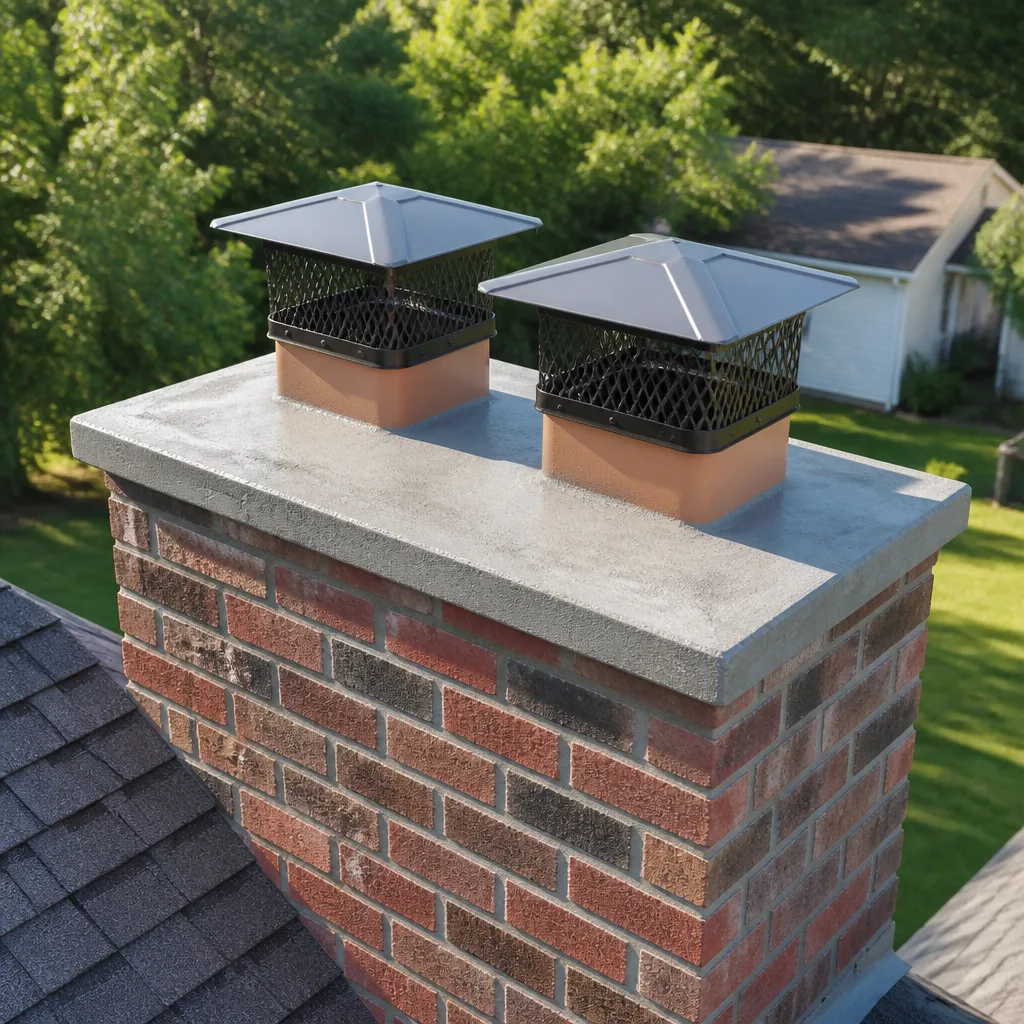
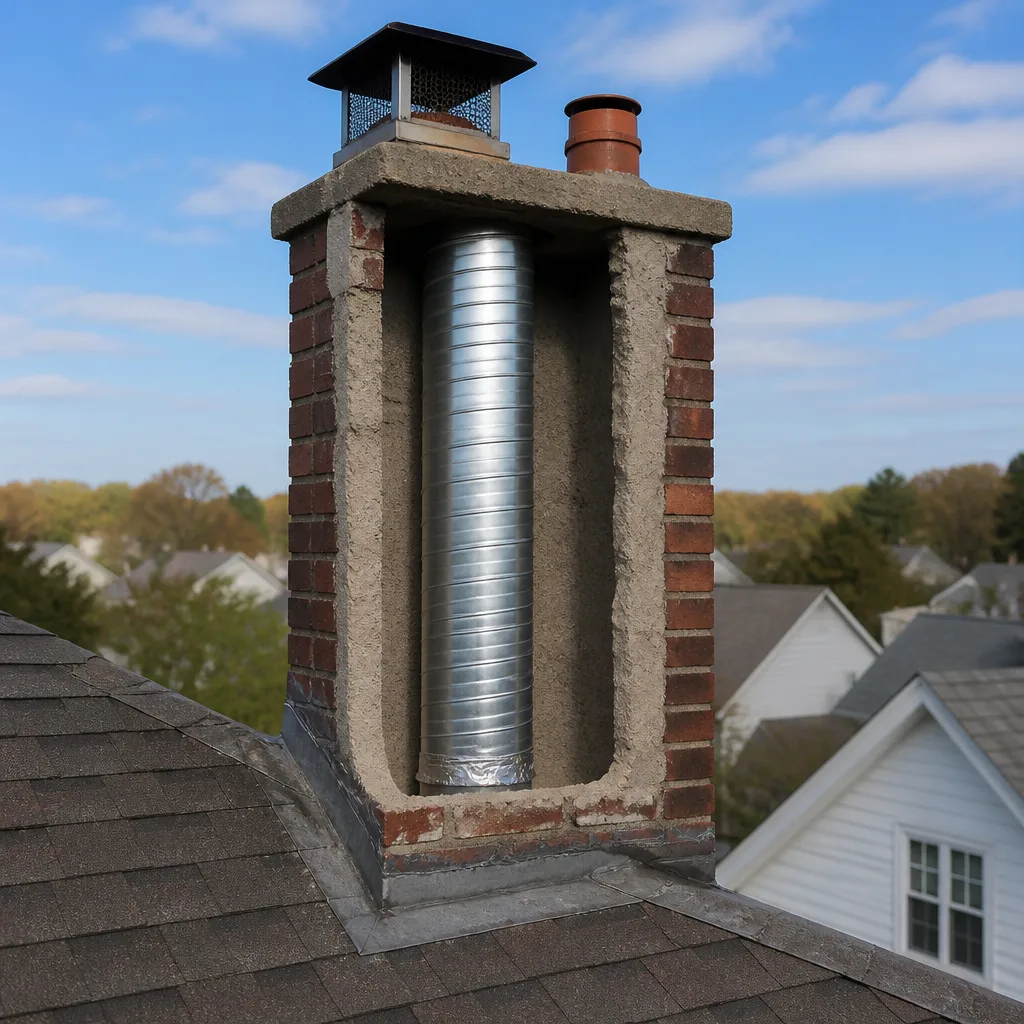
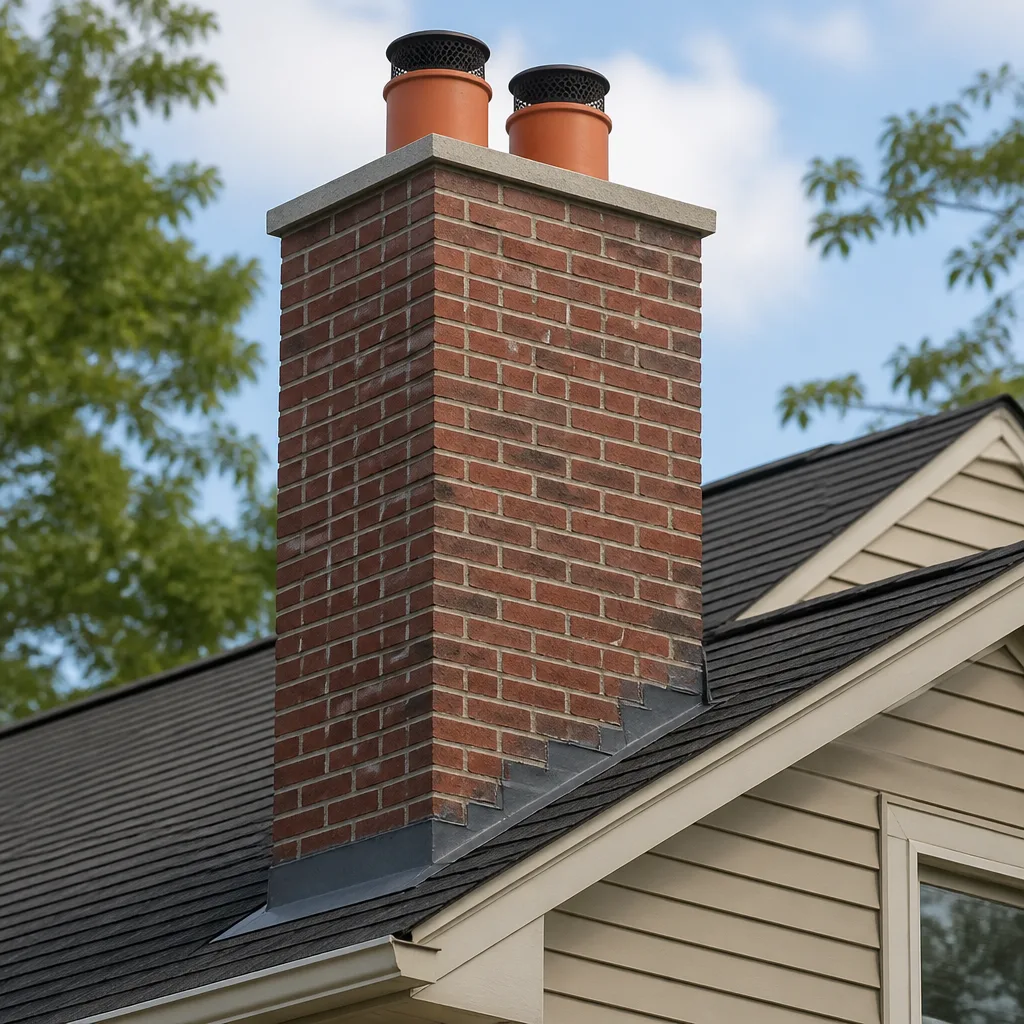
Level 1 sweep and inspection to the NFPA 211 annual standard - flue, crown, cap, and flashing checked and photographed
Chimney sweep logs do not sweep chimneys. They loosen some creosote - which then falls where a brush and vacuum still have to collect it.
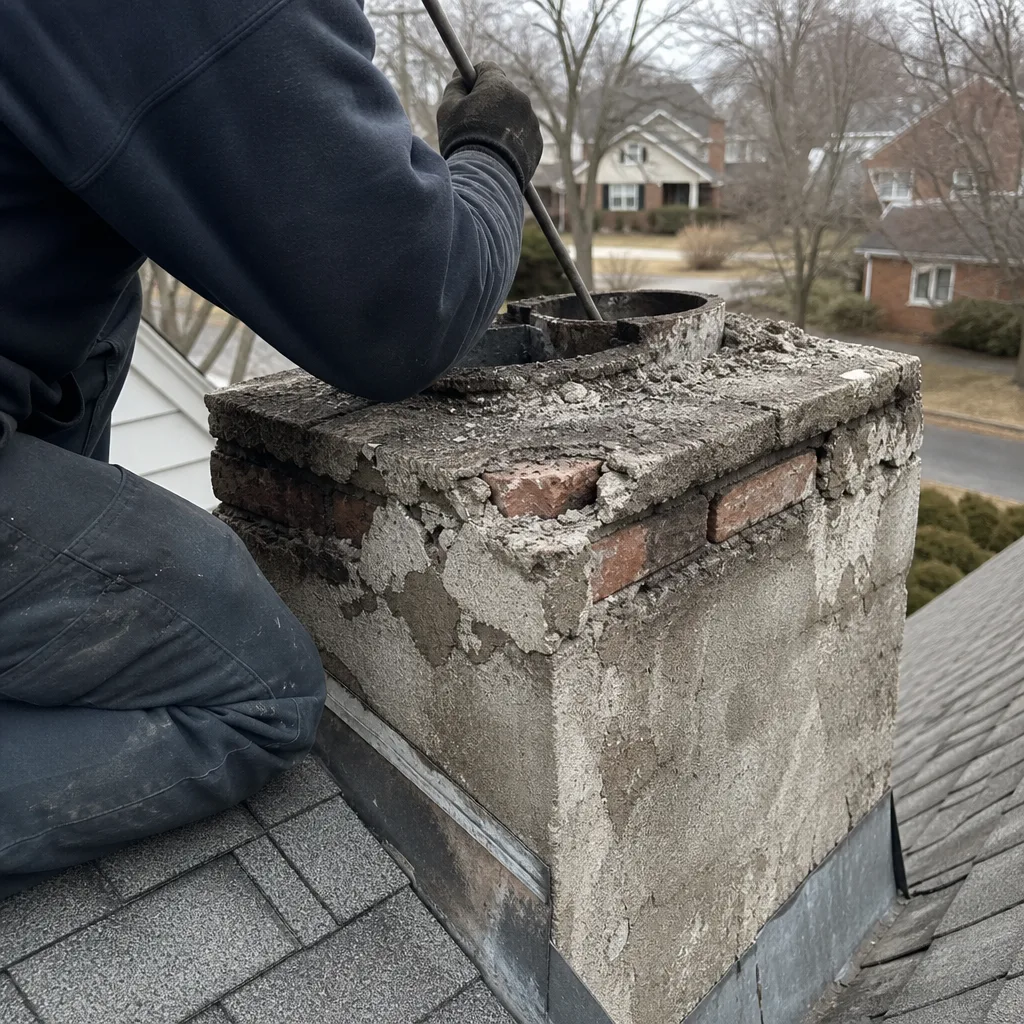 Before
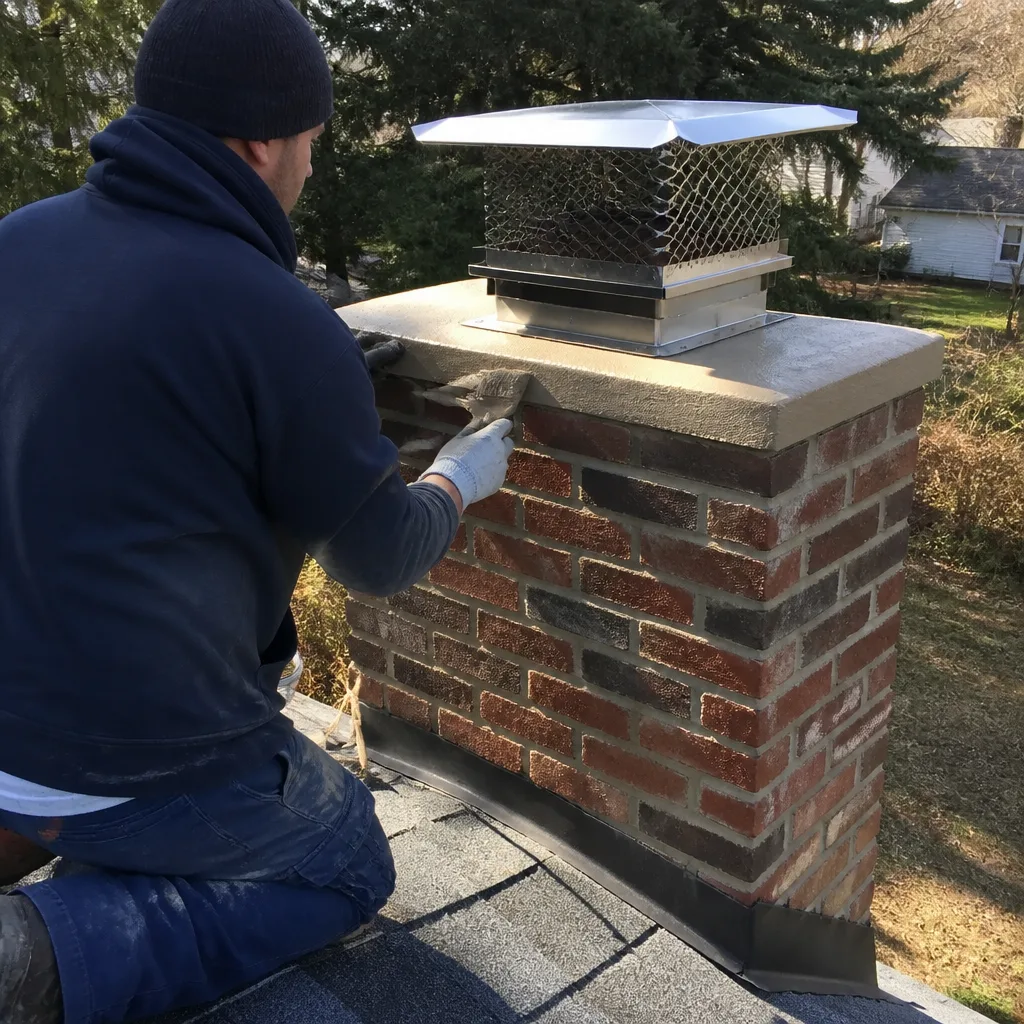 After
After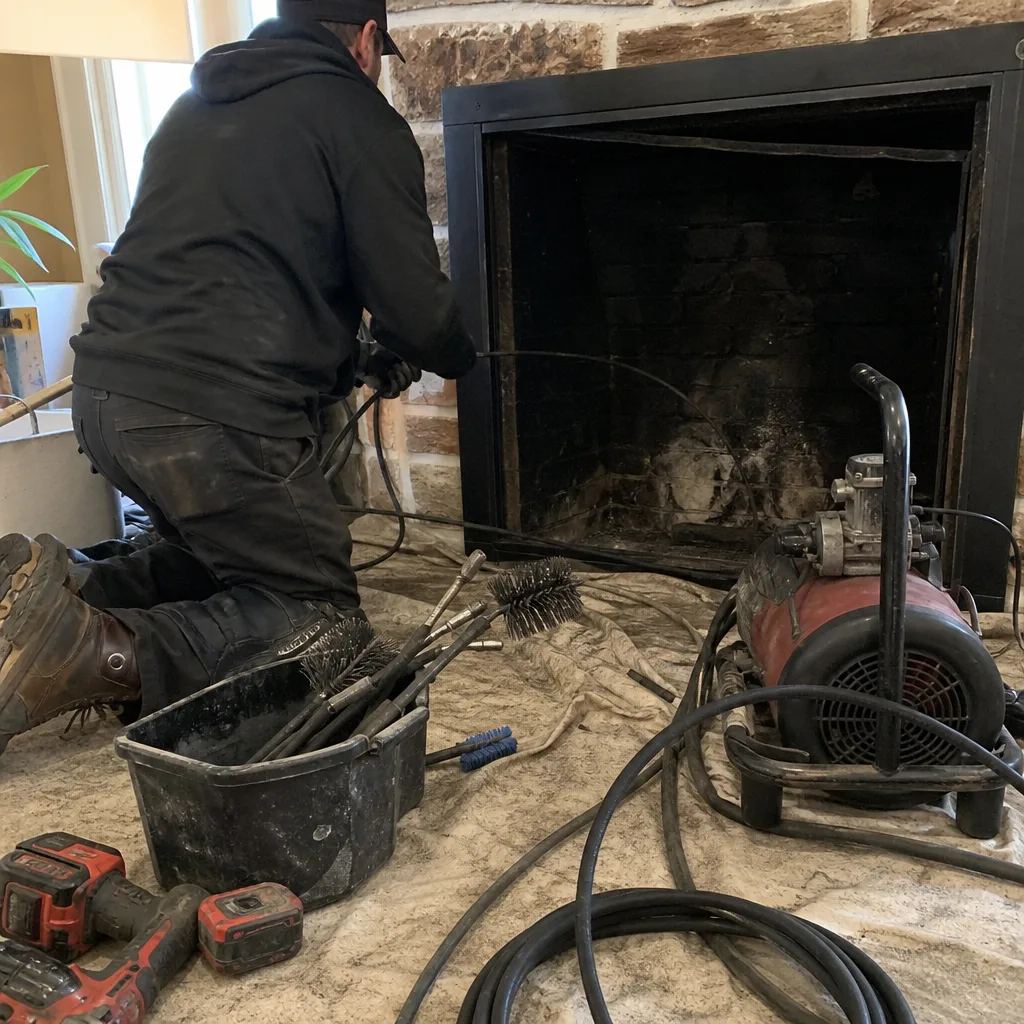 Before
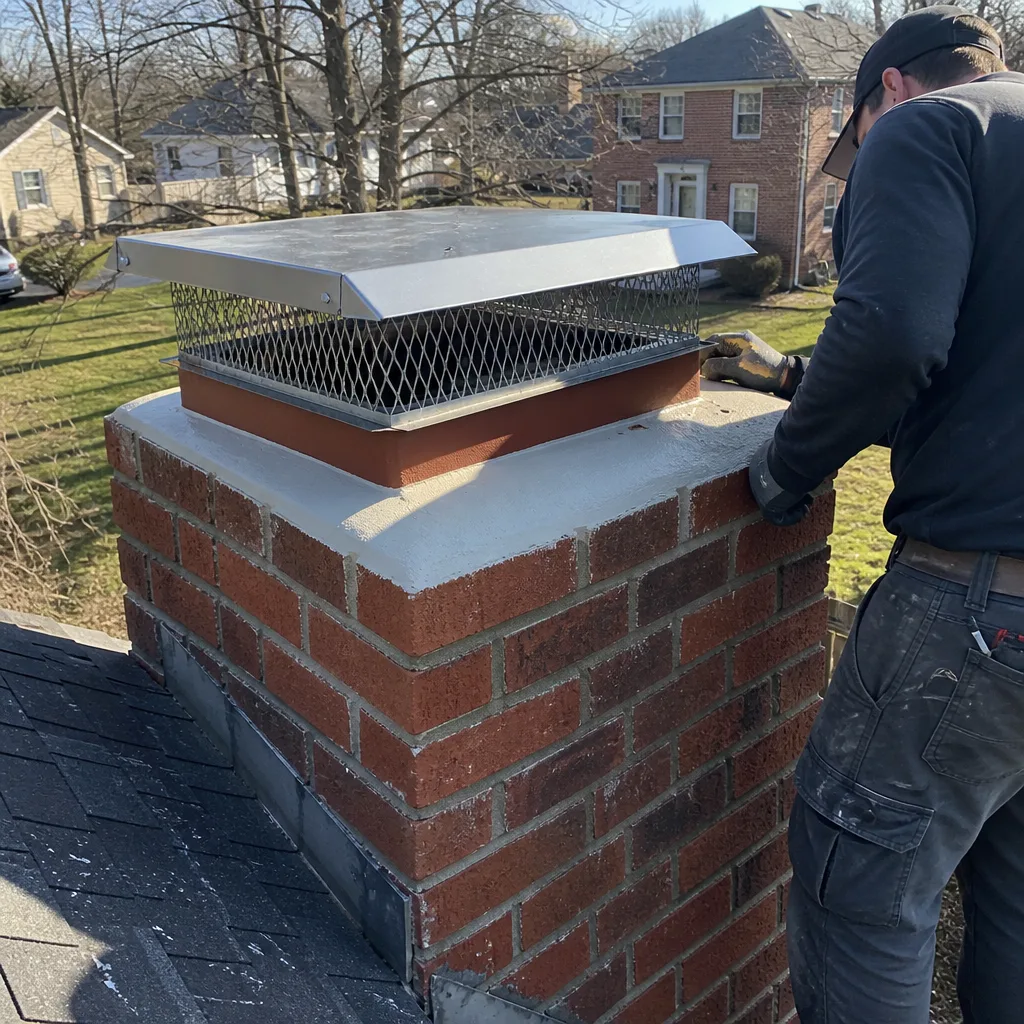 After
After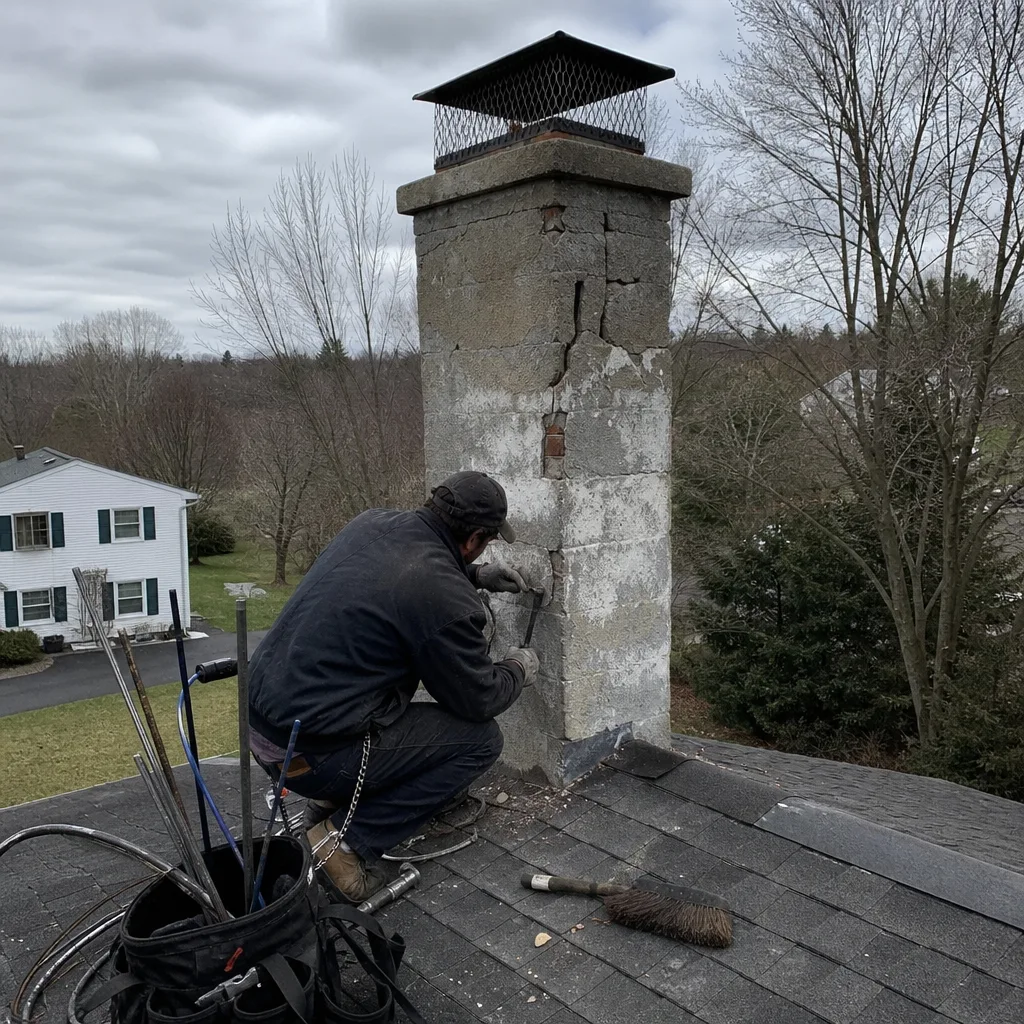 Before
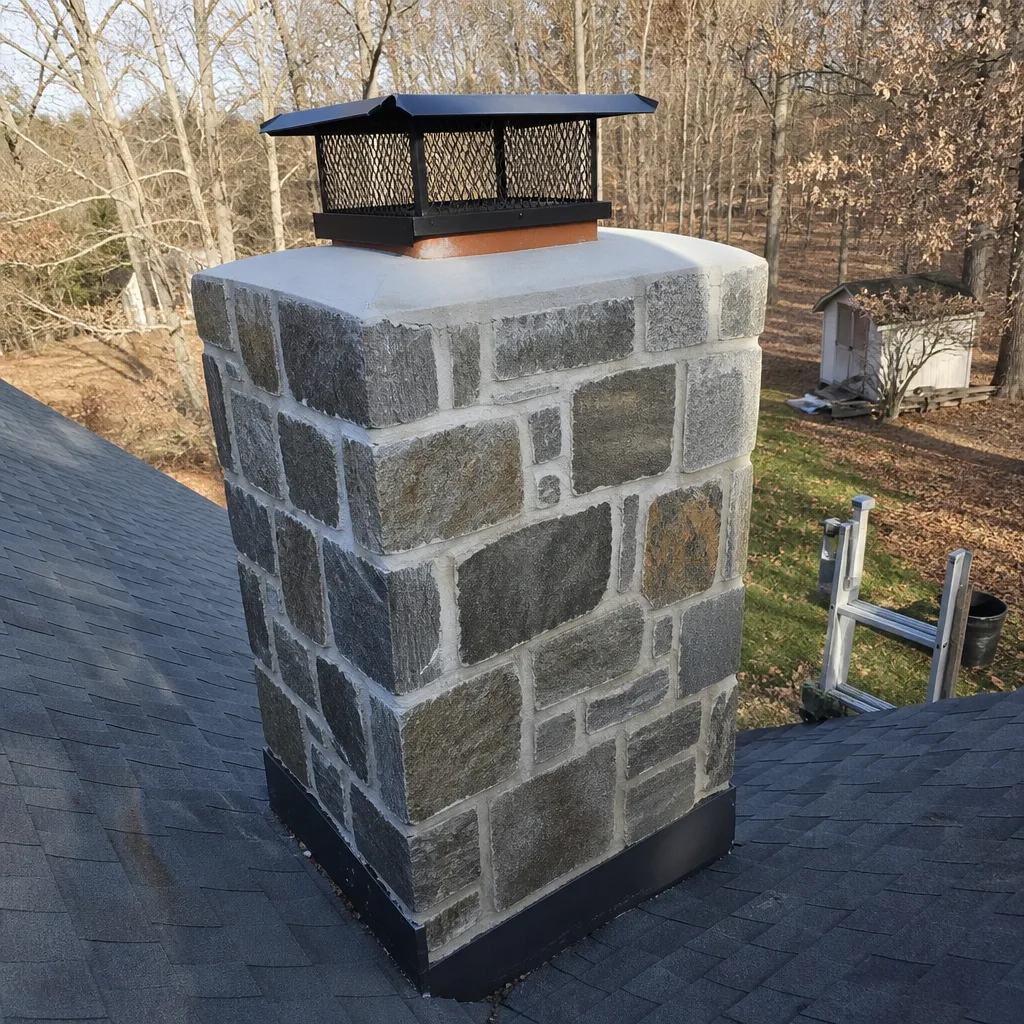 After
AfterThe Complete Guide to Chimney Cleaning in West Chester
The National Fire Protection Association estimates that 25% of home heating fires involve chimneys that were “recently cleaned.” That statistic haunts us, because it means cleaning without camera verification is not the same as cleaning that’s safe. In West Chester, where clay-rich soil shifts flue liners year-round and century-old masonry hides deterioration behind intact brick faces, a broom through the flue proves almost nothing. This guide maps what chimney cleaning actually is - sweeping, inspection, and documentation performed together and in that order - against the NFPA 211 standard so you know exactly what you paid for before the truck leaves your driveway.
Quick Answer
Professional chimney cleaning in West Chester costs $189-$349 for a standard sweep with NFPA 211 Level 2 camera inspection and documented photo record. The service includes three distinct tasks: mechanical sweeping of the flue, interior camera scan of all accessible surfaces, and a written report with photos you keep. Anything less than this sequence - especially any “cleaning” without camera documentation - leaves you with an unverified flue and no proof of condition for insurance or resale.
Table of Contents
- What Chimney Cleaning Actually Includes: The Three Tasks
- Level 1 vs. Level 2 Inspection: What Your Insurance Actually Requires
- Why West Chester’s Clay Soil Makes Camera Scans Non-Optional
- Creosote Stages 1, 2, and 3: What Each Looks Like and Why It Matters
- How to Read a Chimney Cleaning Estimate: What’s Included vs. What’s Hidden
- How to Read a Completed Job Record: Verifying Work Was Done
- How Often Should West Chester Chimneys Be Cleaned?
- Common Mistakes to Avoid
- When to Call a Professional
- Frequently Asked Questions
- The Bottom Line
 Before
 After
AfterWhat Chimney Cleaning Actually Includes: The Three Tasks
Most homeowners in West Chester call us asking for “a chimney cleaning.” What they need is three distinct services, and the order matters. Skip one, or reverse the sequence, and the value collapses.
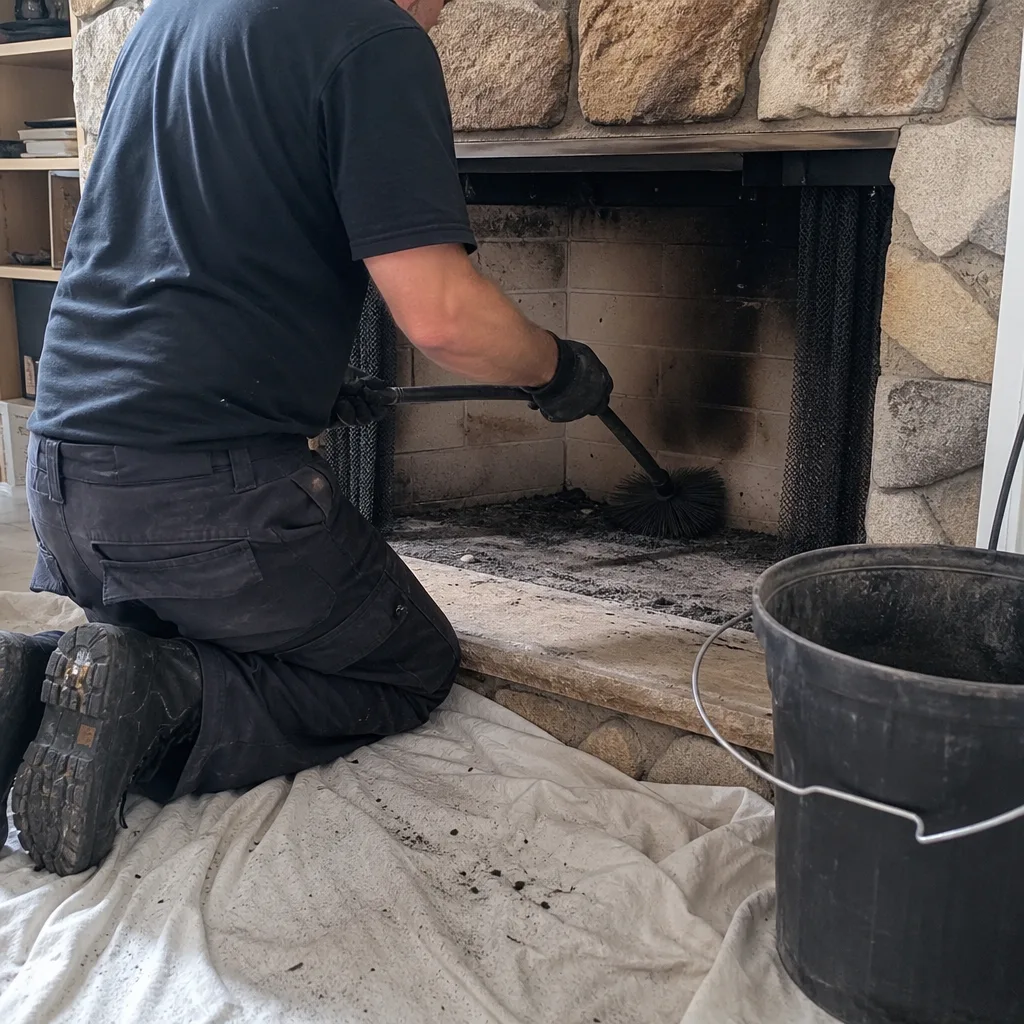
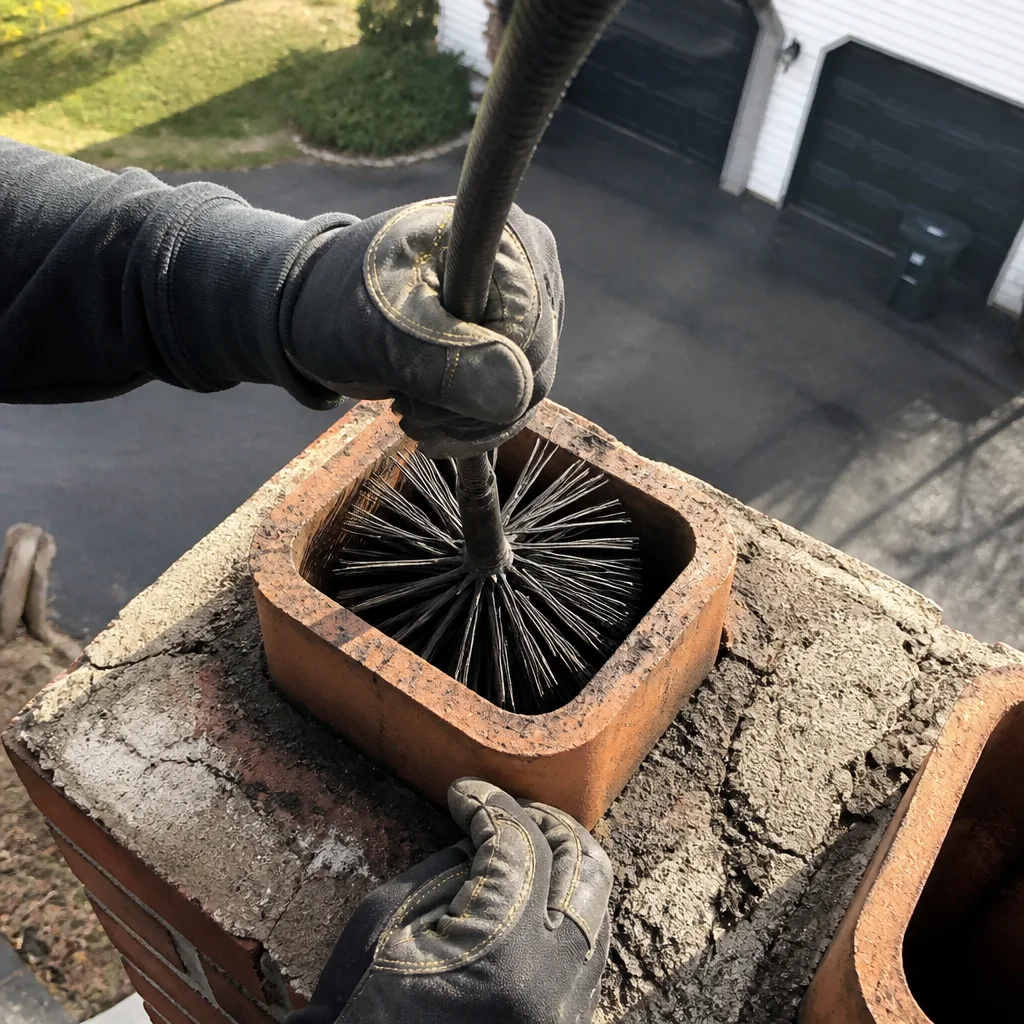
Task 1: Sweeping. A technician runs brushes, whips, or poly rods through the flue to dislodge soot, creosote, and debris. In West Chester, we regularly find bird nests in uncapped flues - starlings and chimney swifts are common in the borough’s mature tree canopy - and fallen mortar from spalling brick in neighborhoods like East Bradford and West Goshen where freeze-thaw cycles are severe. The sweep removes combustible material but does not assess what’s left behind.
Task 2: Inspection. After sweeping, the flue must be examined. NFPA 211 defines two levels relevant here. A Level 1 inspection is a visual check of readily accessible portions - what you can see with a flashlight from the firebox or roof. A Level 2 inspection requires a camera scan of the entire flue interior, the smoke chamber, and accessible portions of the appliance and connection. In West Chester, where Chester County’s clay-rich soil causes lateral settlement that cracks flue liners in ways no flashlight catches, Level 2 is the practical minimum for any homeowner who wants to know their flue is safe.
Task 3: Documentation. This is where most companies stop. They swept, they looked, they left. Under Level Two Chimney West Chester home practice - specifically Haven Standard Clause 4, in place since 2009 - every job receives a documented photo record: camera footage of the full flue length, still images of any defects, written measurements of liner wall thickness and joint condition, and a written scope of any recommended repairs. You receive this before payment is due. It is not an optional add-on.
We’ve completed more than 38,000 chimney inspections and cleanings since 2009. Every one had a written price before work started and a documented record when it was done. The three-task sequence is how we got there.
Level 1 vs. Level 2 Inspection: What Your Insurance Actually Requires
Your homeowner’s insurance policy contains language you probably haven’t read. After a chimney fire, most insurers require proof that the chimney was maintained to NFPA 211 standards. A Level 1 flashlight inspection does not satisfy this requirement if the damage originated in a portion of the flue that was not visually accessible.
Here’s the functional difference:
- Level 1: Visual examination of readily accessible portions. No tools required. No camera. No roof access if conditions are unsafe. Suitable for annual maintenance when no changes have occurred to the system.
- Level 2: Camera scan of all accessible interior surfaces, including attics, crawl spaces, and basements where chimney structure is exposed. Required at sale or transfer of property, after an operating malfunction or external event (storm, earthquake, chimney fire), or upon addition or removal of an appliance. This is what your insurer expects after a claim.
In West Chester’s housing market, where homes built between 1890 and 1950 dominate and buyers routinely request chimney inspections at closing, Level 2 is the de facto standard. We’ve performed camera scans in West Chester borough Victorians, East Goshen colonials, and Westtown Township farmhouses where the flue runs through three stories of masonry before emerging. In each case, the camera found cracks, gaps, or deterioration that a flashlight inspection would have missed entirely.
The Haven Standard requires Level 2 as our default. We do not offer Level 1 as a standalone service because it does not produce documentation you can use. Clause 4 of the Haven Standard requires a photo record on every job - impossible without camera equipment.
Why West Chester’s Clay Soil Makes Camera Scans Non-Optional
Chester County sits on the Wissahickon Formation, a bedrock of mica schist and gneiss overlain by thick deposits of marine clay. This clay expands when wet and contracts during dry spells - and West Chester’s precipitation pattern, averaging 46 inches annually with wet springs and freeze-thaw winters, creates constant soil movement.
What this means for your chimney: lateral settlement.
When soil shifts unevenly beneath a chimney foundation, the structure tilts or twists. The masonry exterior may show no visible damage. The flue liner inside - typically clay tile in homes built before 1980, or stainless steel in newer construction - bears the stress. Clay tile cracks vertically at the mortar joints. Stainless steel separates at the seams or deforms at elbows. Neither failure is visible from the firebox. Neither failure is detectable with a flashlight.
In our experience across West Chester and surrounding Chester County, approximately 30% of Level 2 camera scans reveal liner damage that was invisible to the homeowner and undetected by prior “inspections.” We’ve found cracked tiles in pristine-looking chimneys on High Street, separated stainless liners in 2015-built homes in West Whiteland where soil compaction failed, and complete liner collapse in West Goshen ranch homes where the chimney settled two inches over a decade.
Camera scans catch this. Flashlight inspections do not. Soil conditions in West Chester make this a local imperative, not a sales tactic.
Creosote Stages 1, 2, and 3: What Each Looks Like and Why It Matters
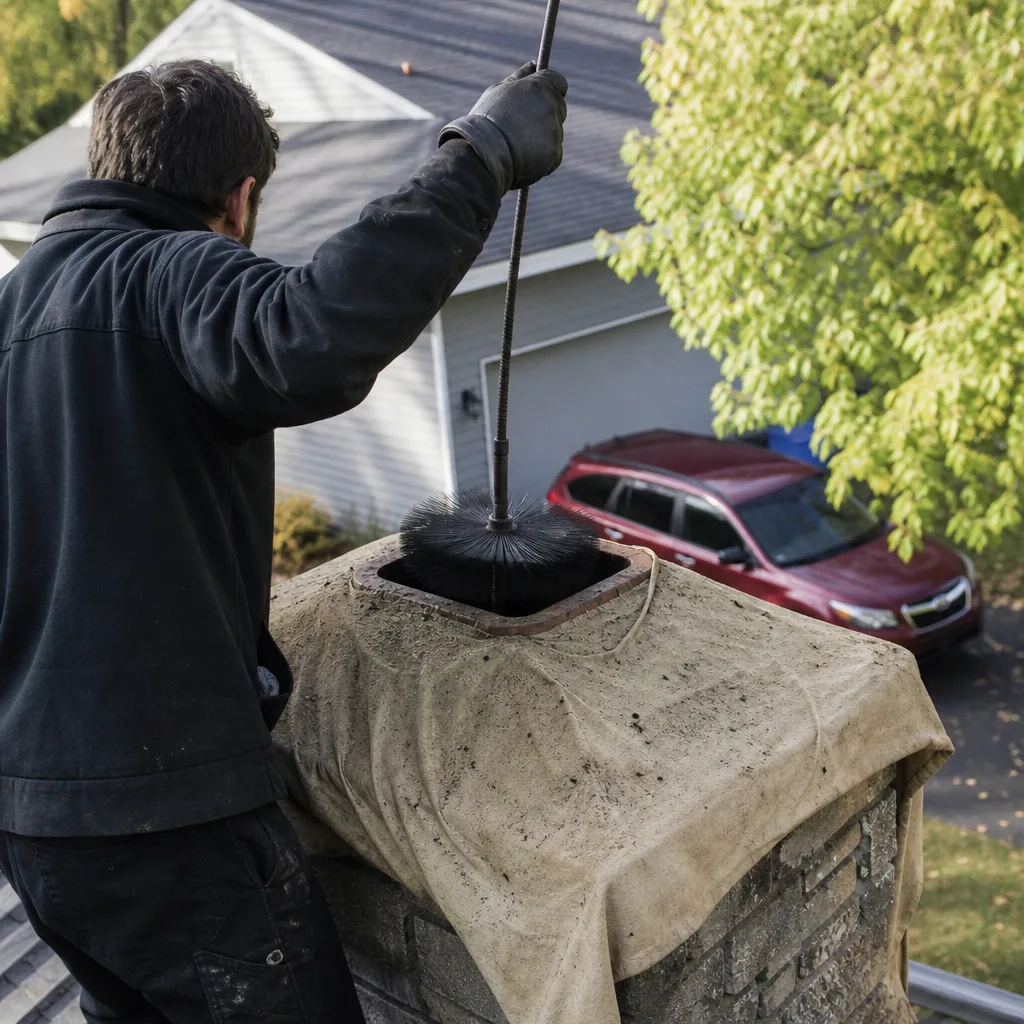
Creosote is the combustion residue that accumulates in your flue. Not all creosote is equal. NFPA 211 recognizes three stages, and each determines both cleaning method and whether your chimney is safe to use.
Stage 1 (Soot): Fine, dusty, black or brown powder. Easily removed with standard brushes. Indicates efficient burning and regular maintenance. In West Chester, we see this in gas fireplaces and well-maintained wood stoves burning seasoned hardwood.
Stage 2 (Tar-like flakes): Shiny, hardened flakes or crunchy layers. Requires more aggressive mechanical cleaning - chains, whips, or rotary systems. Indicates cooler flue temperatures or marginal fuel moisture. Common in West Chester fireplaces where homeowners burn partially seasoned wood or restrict airflow to extend burn time.
Stage 3 (Glazed or “third-degree” creosote): Shiny, hardened, tar-like coating that is nearly impervious to mechanical removal. This is the dangerous stage. It ignites at approximately 451°F and burns at over 2,000°F, exceeding the temperature rating of most clay flue liners. Stage 3 creosote voids most chimney cleaning warranties on the spot because removal requires chemical treatment, multiple visits, or in severe cases, liner replacement.
Here’s what this means practically. When we perform a Chimney Cleaning & Sweep in West Chester, we document the creosote stage in writing and with photos. Stage 1 or 2: sweep and inspect, routine maintenance. Stage 3: we stop, show you the camera image, and explain that mechanical sweeping alone will not restore safety. Chemical treatment with a product like ACS Anti-Creo-Soot or Poultice Creosote Remover, followed by delayed mechanical removal, is required. We quote this in writing before proceeding.
We’ve seen Stage 3 creosote in West Chester chimneys after single seasons of burning green oak or pine, and in chimneys “cleaned” by competitors who ran a brush through without looking. The camera doesn’t lie about stage. A brush without a camera does.
How to Read a Chimney Cleaning Estimate: What’s Included vs. What’s Hidden
The estimate you receive before work starts is a contract. Under Haven Standard Clause 1 - “Have it in writing” - we deliver a written price, written scope, and written warranty before any technician begins. Here’s how to evaluate what you’re being offered.
| Line Item | What It Should Include | What “Inspection Specials” Often Omit |
|---|---|---|
| Base Sweep | Mechanical cleaning of flue, smoke chamber, and firebox; debris removal | May exclude smoke chamber or firebox; may use inferior brushes that damage flue tile |
| Inspection Level | Explicitly states “NFPA 211 Level 2” with camera scan | Vague “inspection” language; flashlight-only Level 1; camera offered as $89+ add-on |
| Documentation | Written report with photos, measurements, and findings; digital copy provided | Verbal summary only; no photos; no written record for insurance or resale |
| Equipment Access | Roof access, ladder work, attic inspection as needed for full Level 2 | “Roof too steep” or “attic inaccessible” excuses that limit inspection scope |
| Repair Recommendations | Written with photos, prioritized by safety urgency; clear distinction between “required now” and “monitor” | Pressure to decide immediately; no prioritization; no photo evidence of claimed defects |
| Warranty | 365-Day Done Right Promise in writing | Verbal only; excludes “pre-existing conditions” defined at company’s discretion |
The lowball “inspection special” - often advertised at $79-$129 in West Chester - recovers its margin through upsells. The technician arrives, performs a minimal sweep, announces dangerous conditions that “must be addressed today,” and presents a repair estimate that was prepared before the truck left the shop. The homeowner, now anxious and with a disassembled fireplace, feels pressured to comply.
We don’t do this. Our written price before work starts includes the full three-task sequence. If we find recommended repairs, we show you the camera image, explain the priority, and quote separately. Nothing is recommended without camera evidence you can see for yourself. Work that can safely wait is identified as such.
How to Read a Completed Job Record: Verifying Work Was Done
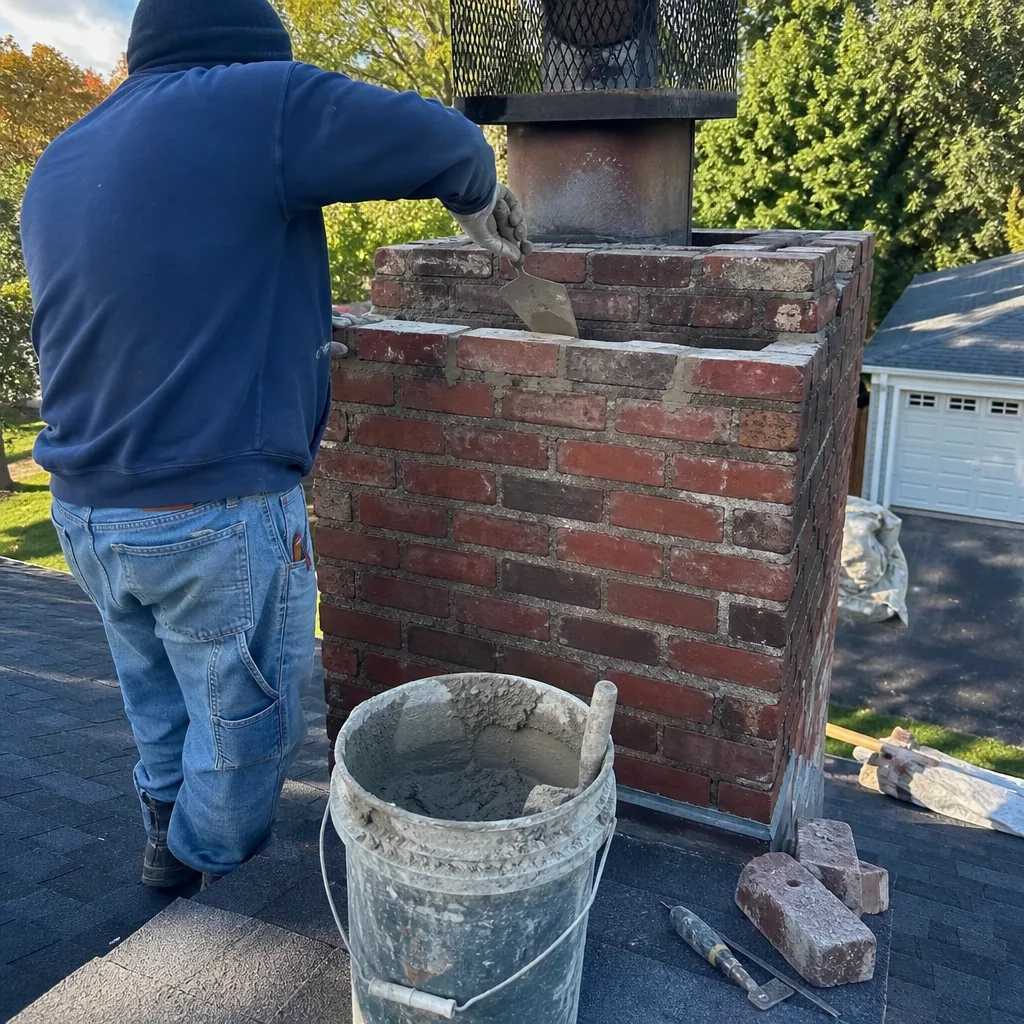
You paid for chimney cleaning. You should leave with proof that it happened. Here’s what a complete job record contains, and what each element verifies.
- Pre-cleaning camera footage. Establishes baseline condition. Shows creosote stage, visible defects, and any obstruction. You see what we saw before we touched anything.
- Post-cleaning camera footage. Verifies flue is clear of combustible material. Shows all surfaces accessible to the camera. If areas were inaccessible due to flue damage, this is noted in writing.
- Still images of specific findings. Cracked tile at joint 3. Spalled brick at crown level. Creosote buildup before and after removal. These are timestamped and geotagged in our system.
- Written measurements. Flue diameter, liner wall thickness where accessible, smoke chamber dimensions. Needed for future comparison and for sizing any repair materials.
- Written scope of recommended repairs. Prioritized: “Required for safe operation,” “Recommended within 12 months,” “Monitor at next annual inspection.” Each includes photo reference.
- Written warranty. Our 365-Day Done Right Promise: if it’s not done right, we make it right. Stamped on every job under the Haven Standard.
In West Chester, we’ve had homeowners use their job records to satisfy insurance requirements after neighbor chimney fires, to document pre-sale condition in West Chester borough transactions, and to dispute inflated repair quotes from other companies. One homeowner in East Bradford brought us a competitor’s $4,200 liner replacement quote. Our camera scan showed intact clay tile with minor joint gaps - repairable with HeatShield cerfractory foam for under $900. Our Free Second Opinion on any written estimate is always available for exactly this reason.
Materials for any repair we perform - whether DuraFlex stainless liners, HeatShield joint repair systems, Gelco chimney caps, Olympia Chimney components, or Famco termination fittings - are sourced through Haven’s buying network specifically to keep customer prices honest. We name the manufacturer in our written scope because you should know what you’re paying for.
How Often Should West Chester Chimneys Be Cleaned?
NFPA 211 recommends annual inspection for all chimneys, and cleaning “as needed” based on creosote accumulation - a topic covered in our seasonal chimney cleaning care guide for West Chester homeowners. The “as needed” standard depends on use, fuel, and appliance efficiency.
For West Chester specifically, consider these factors:
- Wood-burning fireplaces and stoves: Inspect and sweep annually if used as primary or frequent supplemental heat. The EPA estimates that burning unseasoned wood can produce 20-30 pounds of creosote per cord - enough to reach dangerous accumulation in a single season.
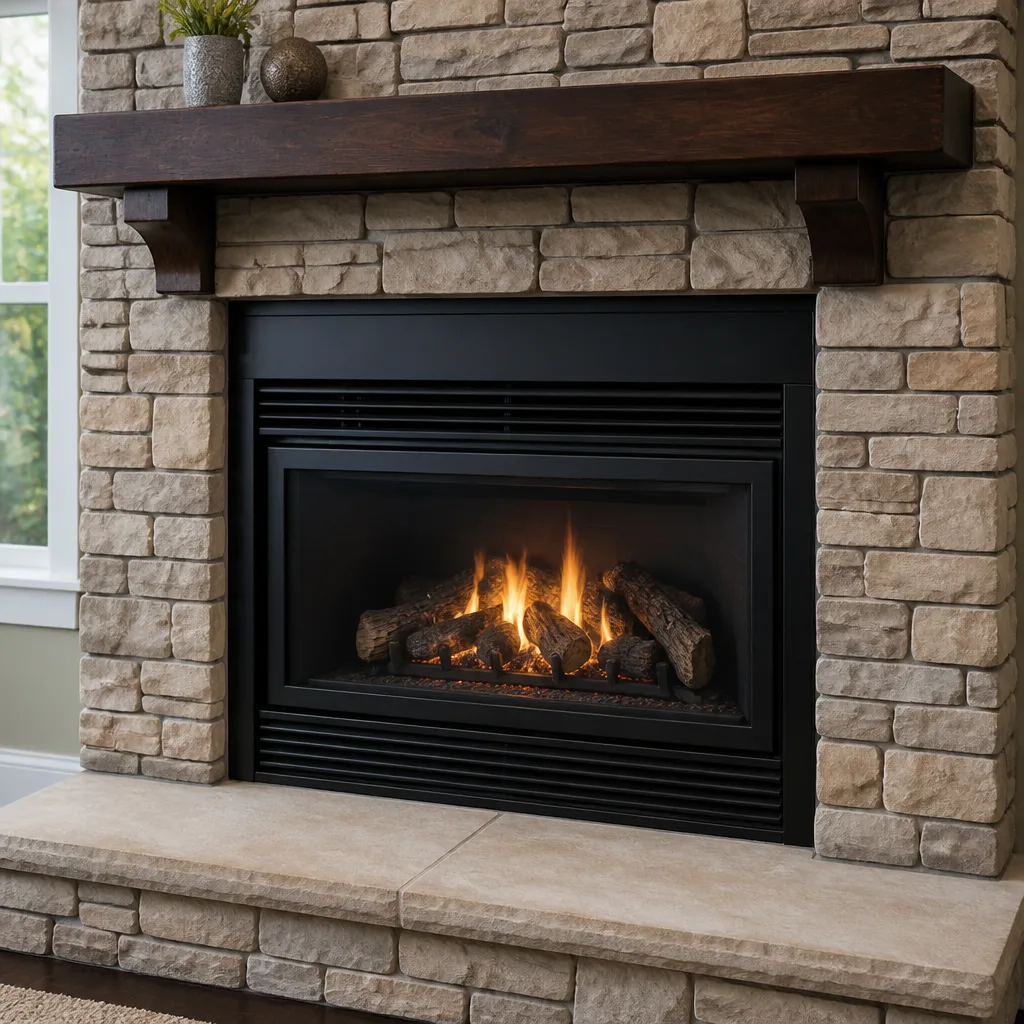
- Gas fireplaces: Inspect annually; sweep less frequently but check for deteriorating logs, debris in venting, and condensation damage to liners. West Chester’s freeze-thaw cycles accelerate corrosion in gas flues where moisture accumulates.
- Pellet stoves: Clean venting every ton of pellets burned; full annual inspection including combustion chamber and heat exchanger.
- Oil and gas furnaces: Annual inspection by an HVAC technician includes flue check; separate chimney sweep only if debris or deterioration is found.
- Unused chimneys: Inspect every 2-3 years for water intrusion, animal entry, and structural deterioration. An uncapped flue in West Chester collects leaves, collects moisture, and becomes a squirrel condominium within two seasons.
Neighborhood-specific notes: In West Chester borough’s historic district, where chimneys serve original coal-burning fireplaces now converted to gas or decorative use, we find abandoned flue liners and deteriorated parging (the mortar coating inside the smoke chamber) that poses hidden fire risk even in “unused” systems. In newer developments like West Whiteland and East Goshen, factory-built metal chimneys require specific clearances to combustibles that homeowners sometimes compromise during finishing work.
Common Mistakes to Avoid
- Hiring based on lowest price alone. The $89 “inspection special” in West Chester typically excludes camera work, excludes documentation, and funds itself through repair upsells. A written price for complete service is honest; a low entry price with open-ended add-ons is not.
- Accepting verbal findings without photos. Any claim of “cracked liner” or “dangerous creosote” should be shown to you on camera, with images you keep. Verbal warnings without documentation protect the company’s revenue, not your safety.
- Skipping inspection after a chimney fire. Even small chimney fires cause thermal shock that cracks clay tile and damages mortar. NFPA 211 requires Level 2 inspection after any fire event. Insurance claims may be denied without this documentation.
- Assuming gas flues don’t need attention. Gas produces water vapor and corrosive condensate. In West Chester’s climate, we’ve found rusted metal flues and deteriorated tile liners in gas-only chimneys that “never needed cleaning.”
- DIY sweeping without camera verification. Homeowner brush kits remove loose soot but cannot assess liner condition or reach the full flue length. You may leave Stage 2 or 3 creosote in place while believing the job is done.
- Ignoring the smoke chamber. The area above the damper and below the flue is where many chimney fires start. It’s inaccessible to standard brushes from below and often omitted by low-cost sweeps. Level 2 inspection requires smoke chamber evaluation.
- Delaying cap installation. An uncapped chimney in West Chester admits rain, animals, and debris year-round. The cost of a Gelco or Famco stainless cap is recovered in prevented water damage within two to three seasons.
When to Call a Professional
Call for a Level 2 inspection and sweep if you notice any of the following: visible creosote flakes in the firebox, smoke entering the room during operation, a strong tar odor when the fireplace is not in use, white staining (efflorescence) on exterior brick indicating water intrusion, or any event - chimney fire, lightning strike, earthquake, or nearby structural damage - that may have affected the system.
Also call before buying or selling a home in West Chester. A documented Level 2 inspection protects both parties and satisfies most mortgage and insurance requirements. We’ve performed pre-sale inspections in West Chester where the camera revealed $200 in minor repairs that prevented a $2,000 buyer credit negotiation.
Chimney Repair in West Chester should be handled by technicians who perform camera documentation as standard, not as an upgrade. Level Two Chimney West Chester offers free estimates in West Chester - call (610) 321-4570. Our live phone support runs 24 hours a day, 7 days a week. You’ll speak to a person, not a voicemail system.
Frequently Asked Questions
A professional chimney sweep with NFPA 211 Level 2 camera inspection and documented photo record in West Chester typically costs $189-$349. Prices at the lower end cover standard gas or low-use wood systems with Stage 1 creosote. Prices at the higher end reflect heavy Stage 2 buildup, difficult roof access, or factory-built chimneys requiring specialized equipment. Chemical treatment for Stage 3 creosote is quoted separately after camera evaluation. Call (610) 321-4570 for an exact quote - estimates are free.
Not always. A new liner is required when the existing liner is cracked, separated, or missing in portions that expose combustible structure to flue gases - conditions we verify by camera, not by guess. In West Chester’s older homes, we often find clay tile with isolated joint gaps repairable with HeatShield cerfractory foam at a fraction of liner replacement cost. We show you the camera image, explain the repair options with written prices, and identify what can safely wait. Nothing is recommended without photo evidence you can see for yourself.
NFPA 211 recommends annual inspection for all chimneys, with cleaning frequency based on creosote accumulation. Wood-burning systems used regularly need annual sweeping. Gas systems need annual inspection with cleaning as needed. West Chester’s freeze-thaw climate and clay soil conditions make annual inspection particularly important for detecting water damage and liner settlement before they become hazardous. Call (610) 321-4570 to schedule - we’ll prioritize based on your fuel type and usage pattern.
Accumulated creosote ignites at 451°F and burns above 2,000°F, exceeding the capacity of most clay flue liners and threatening adjacent combustible structure. In West Chester, we’ve responded to chimney fires in homes where the owner “hadn’t gotten around to it” for three seasons. Beyond fire risk, skipped maintenance allows water intrusion, animal nesting, and liner deterioration to progress unseen until repair costs multiply. The camera documentation from a single annual inspection prevents this. Call (610) 321-4570 for a free estimate.
Sweeping removes combustible material from the flue. Inspection assesses structural condition. They are distinct tasks that should be performed together - sweeping first, then inspection with a camera - because a dirty flue obscures defects and an uninspected flue may be unsafe regardless of cleanliness. In West Chester, we perform both as a single service under our standard pricing, with written documentation of each. Fireplace Services in West Chester that omit either task are incomplete.
Most policies require “reasonable maintenance” and may specifically reference NFPA 211 standards. After a chimney fire or structural damage claim, insurers routinely request documentation of recent professional inspection. A Level 1 flashlight inspection rarely satisfies this because it cannot verify concealed flue condition. Level 2 camera inspection with photo documentation is what insurers expect and what we provide as standard. Our completed job records have been accepted by West Chester homeowners’ insurers without issue.
The Bottom Line
Chimney cleaning in West Chester is three tasks - sweep, inspect, document - that only protect your home when performed together and in order, as explained in our DIY vs Professional Chimney Cleaning guide for West Chester homeowners. The NFPA 211 Level 2 camera scan is not an upgrade; in Chester County’s shifting clay soils, it’s the minimum verification that your flue liner is intact. Creosote stage determines cleaning method and safety. Written price before work starts and documented photo record on completion are your proof that the job was done, not just paid for. Anything less leaves you with an unverified chimney and no recourse if something goes wrong.
We’ve performed more than 38,000 chimney inspections and cleanings since 2009, every one with a written price before work started and a documented record when it was done. Our 365-Day Done Right Promise, background-checked uniformed technicians, and live 24/7 phone support are standard because they should be. For more guides & resources, visit our blog, or call (610) 321-4570 for a free estimate in West Chester. We’ll answer with a person, quote in writing before any work begins, and leave you with photos that prove what we found.
Written by Corrine Halstead, Owner at Level Two Chimney West Chester, serving West Chester since 2009.