
Last updated September 22, 2026
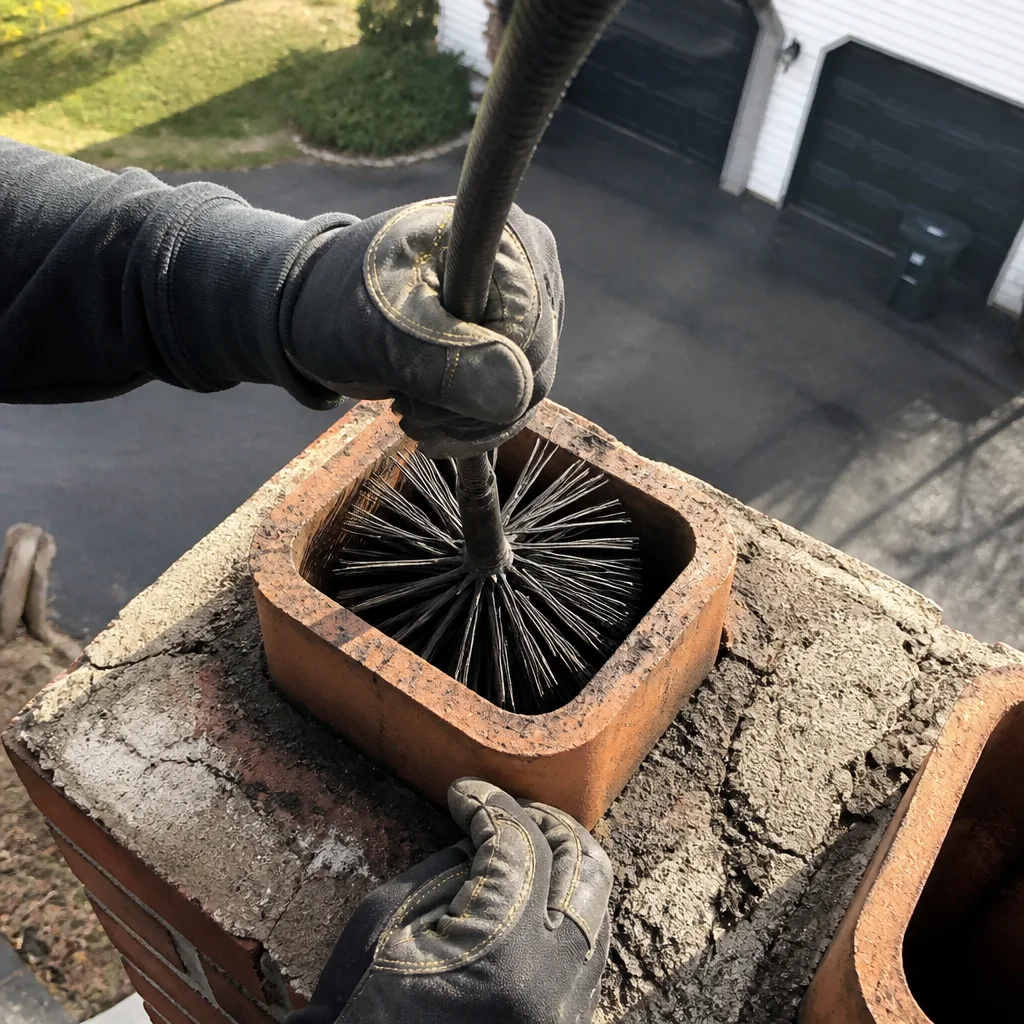
Level 1 sweep and inspection to the NFPA 211 annual standard - flue, crown, cap, and flashing checked and photographed
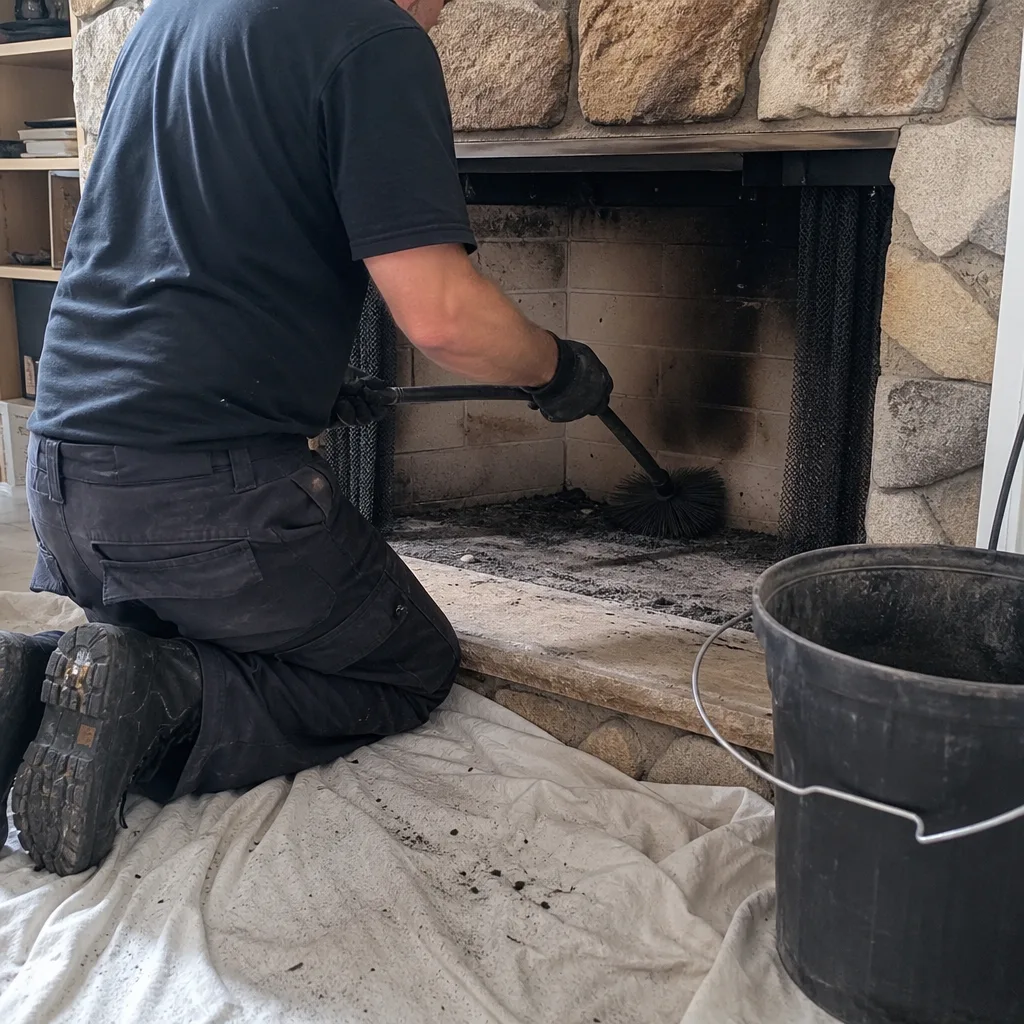
Chimney sweep logs do not sweep chimneys. They loosen some creosote - which then falls where a brush and vacuum still have to collect it.
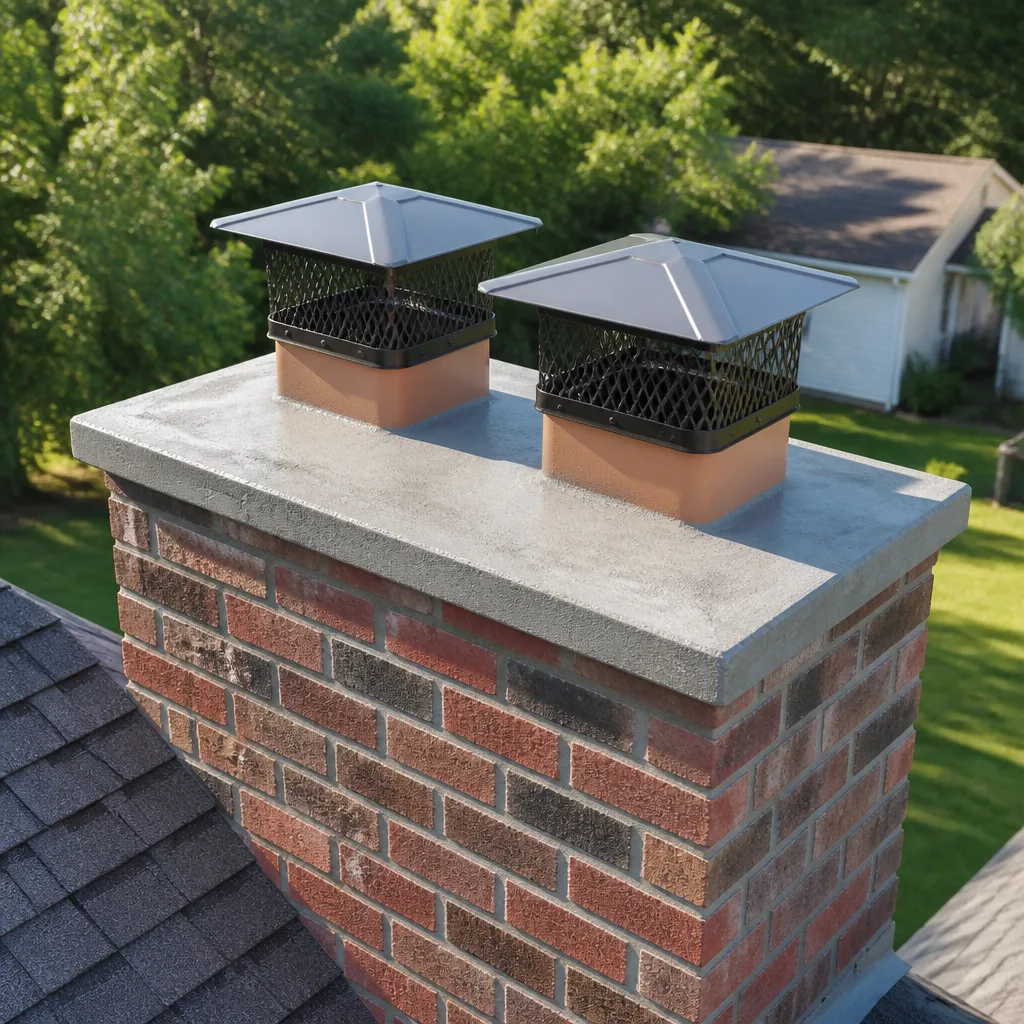
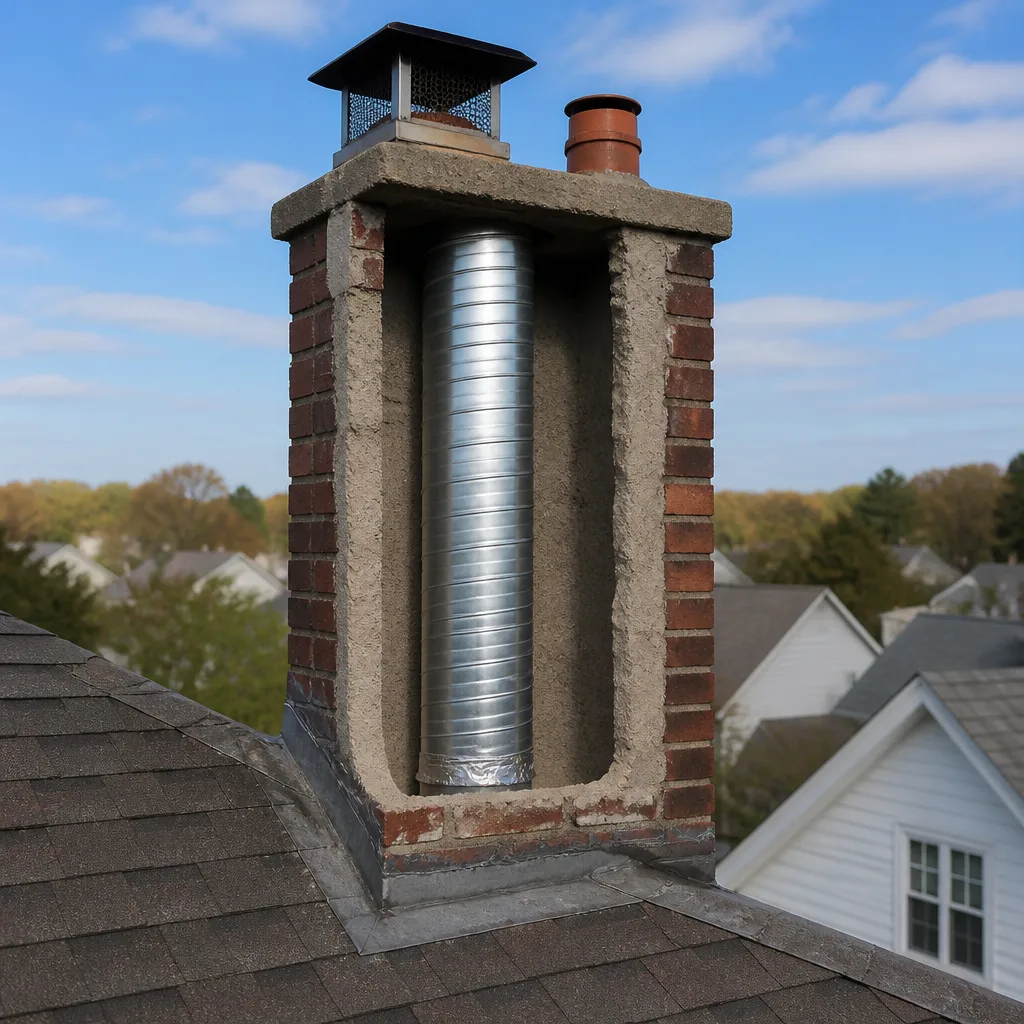
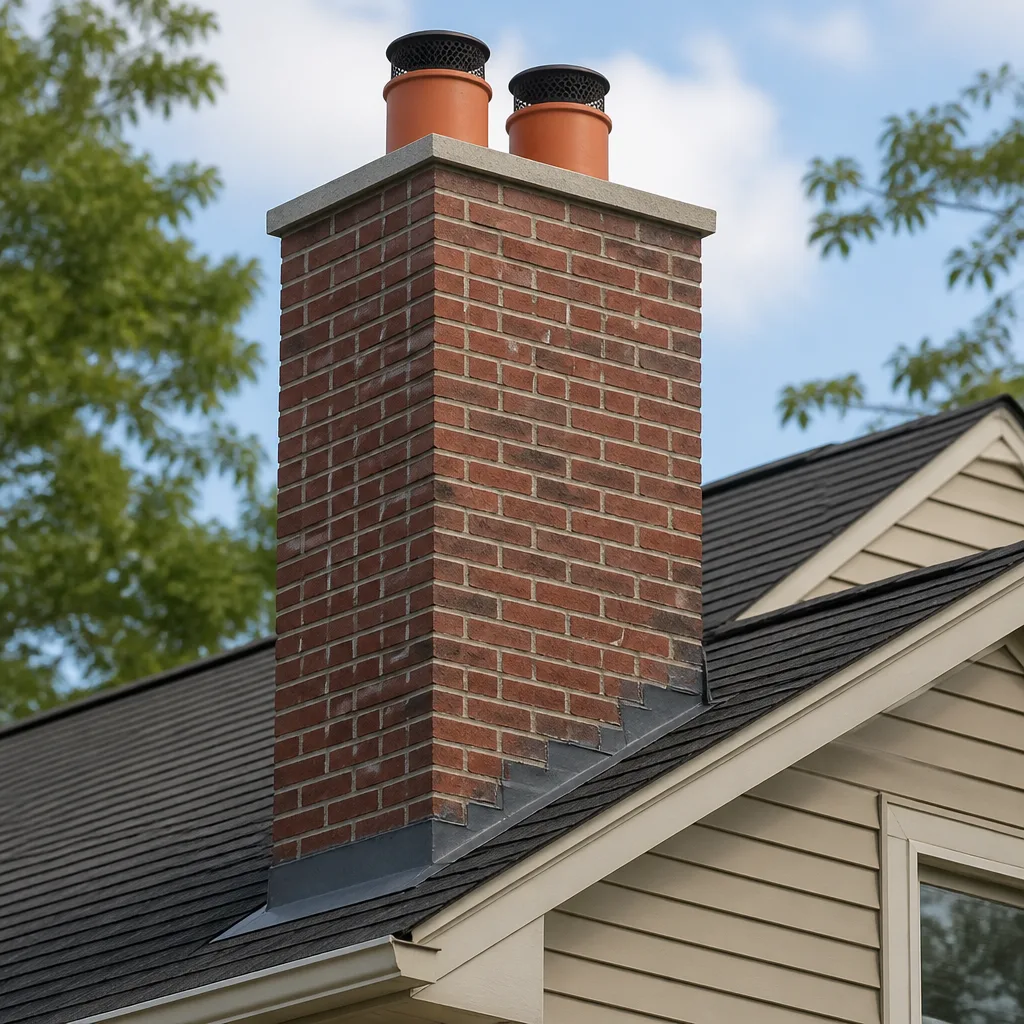
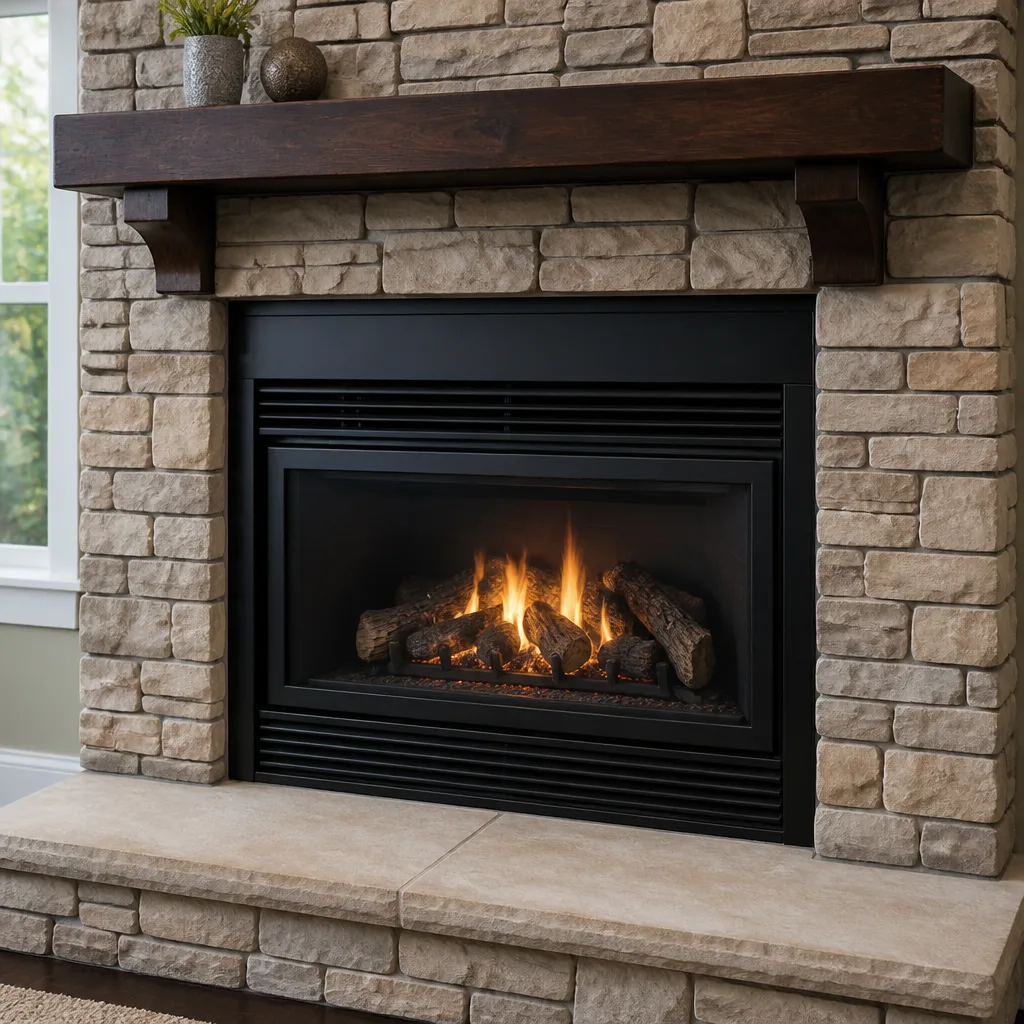
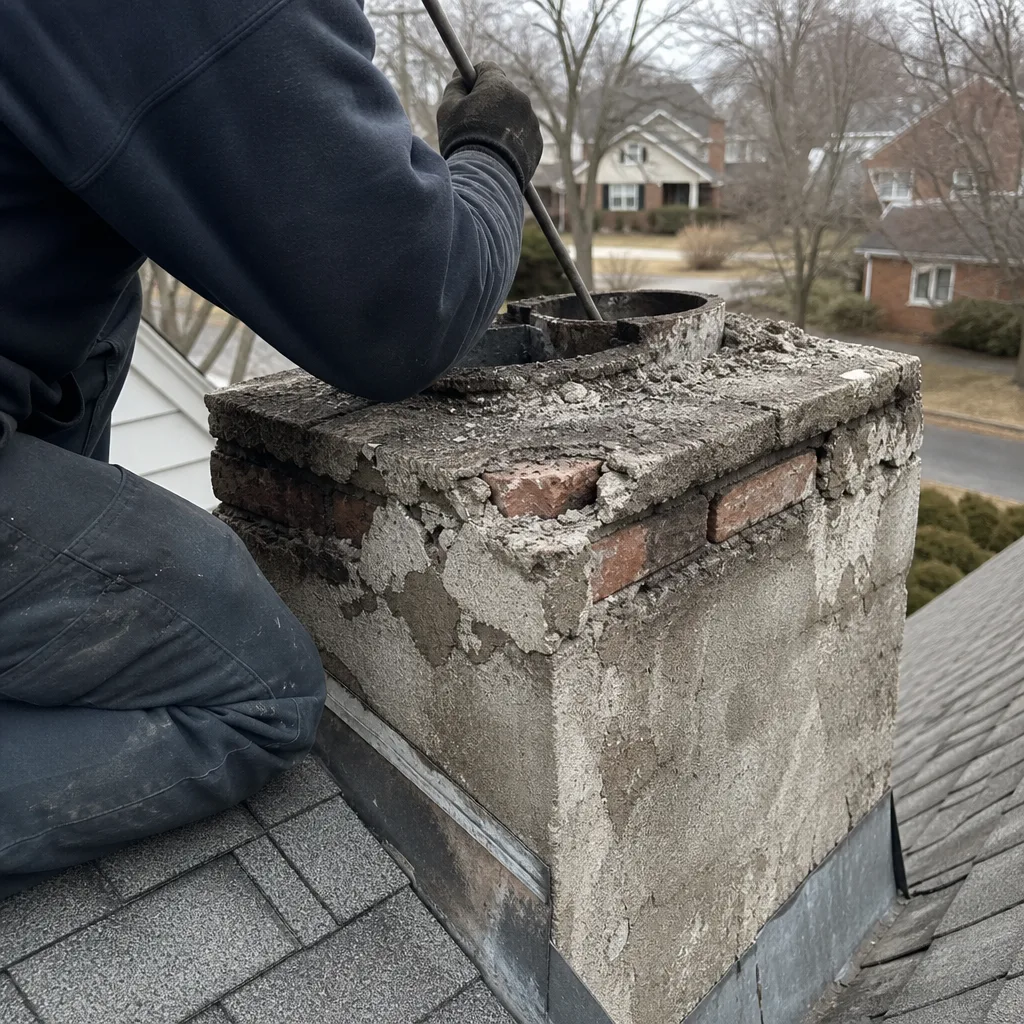 Before
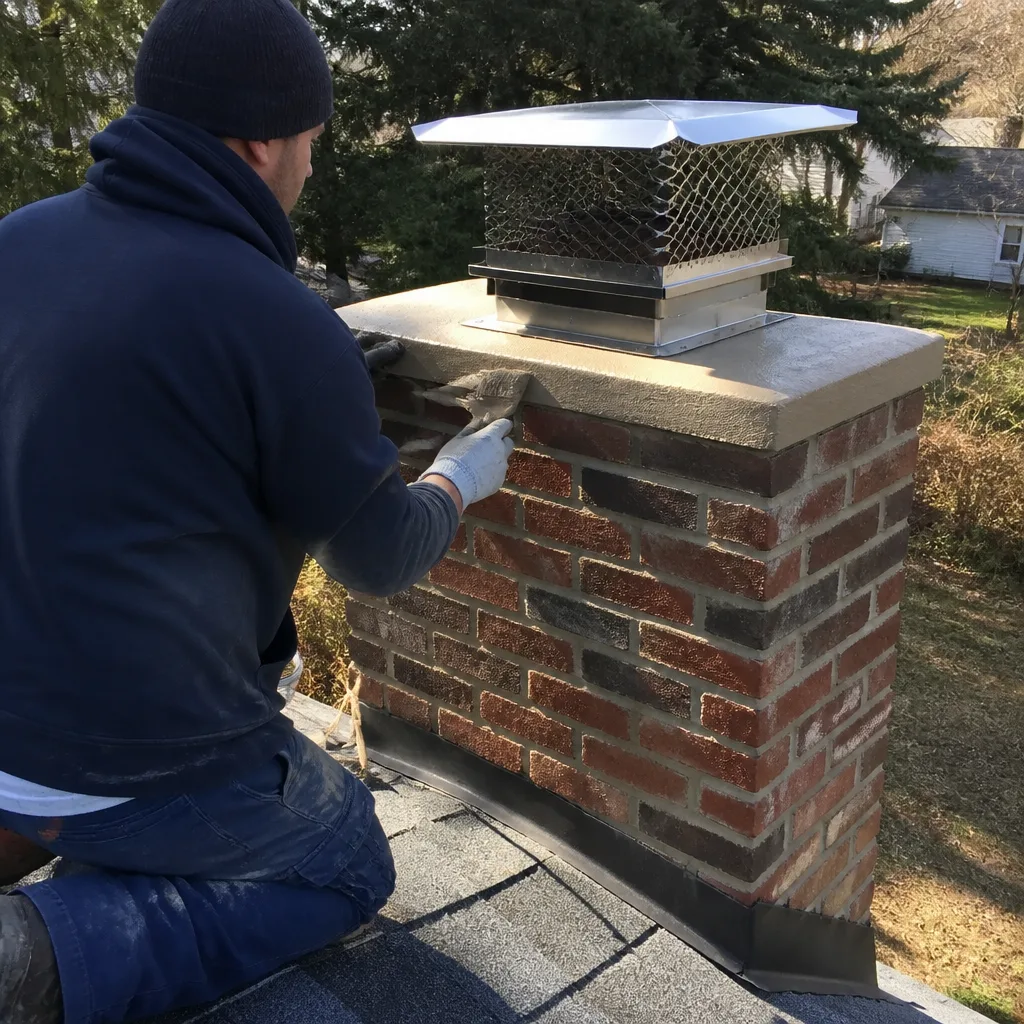 After
After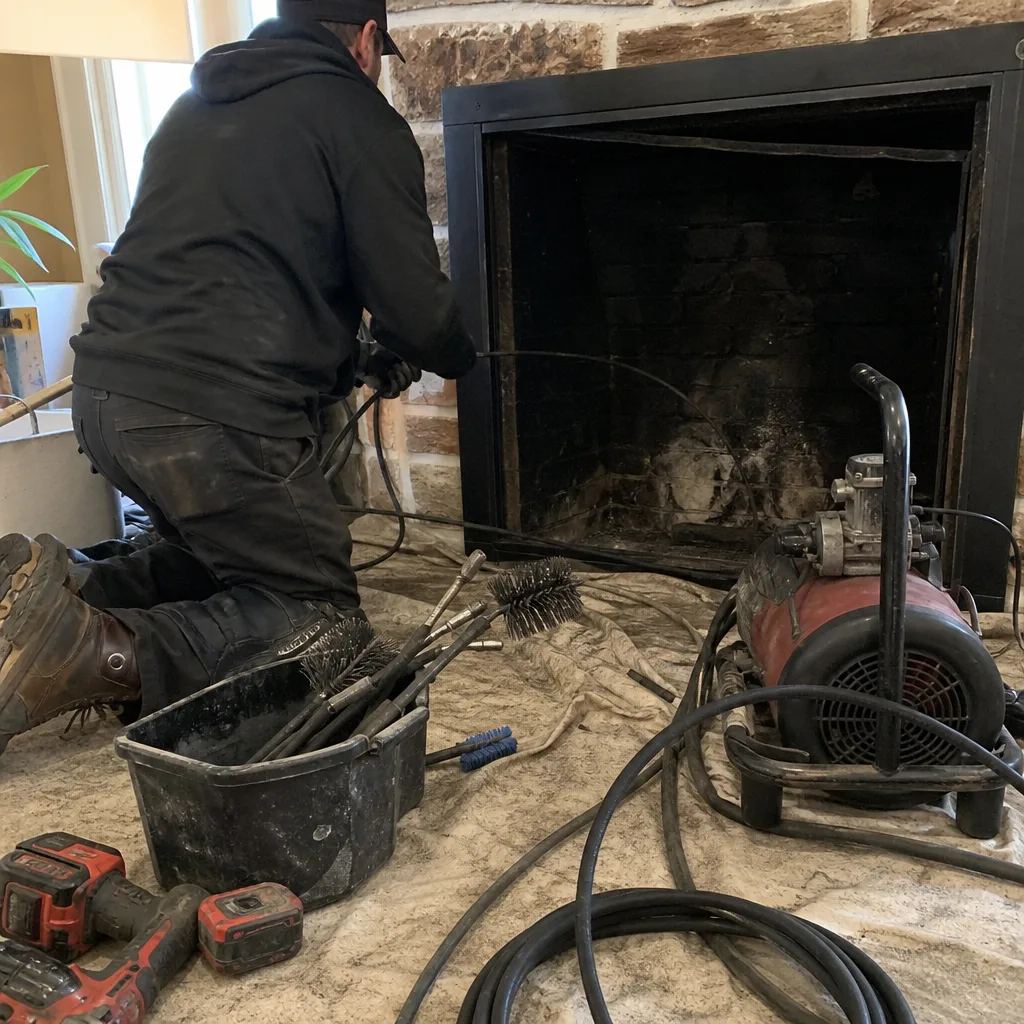 Before
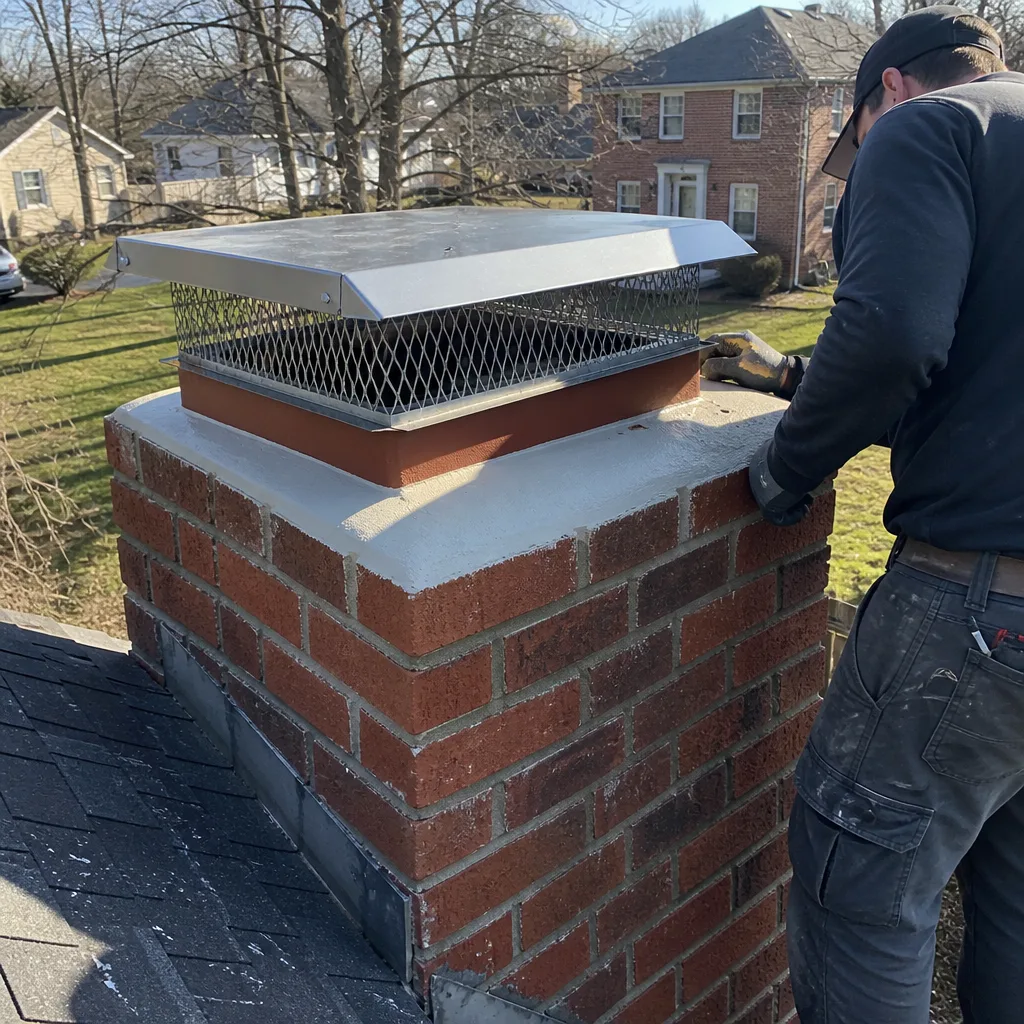 After
After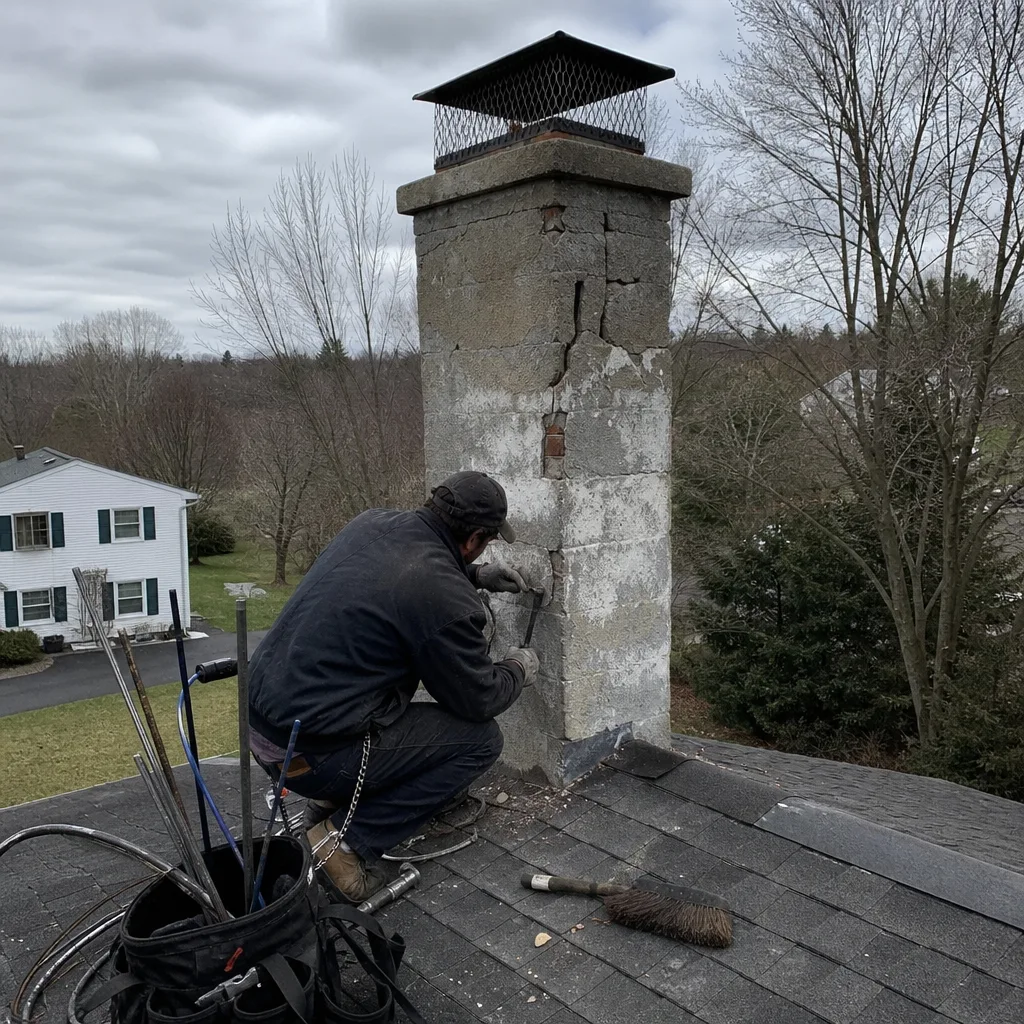 Before
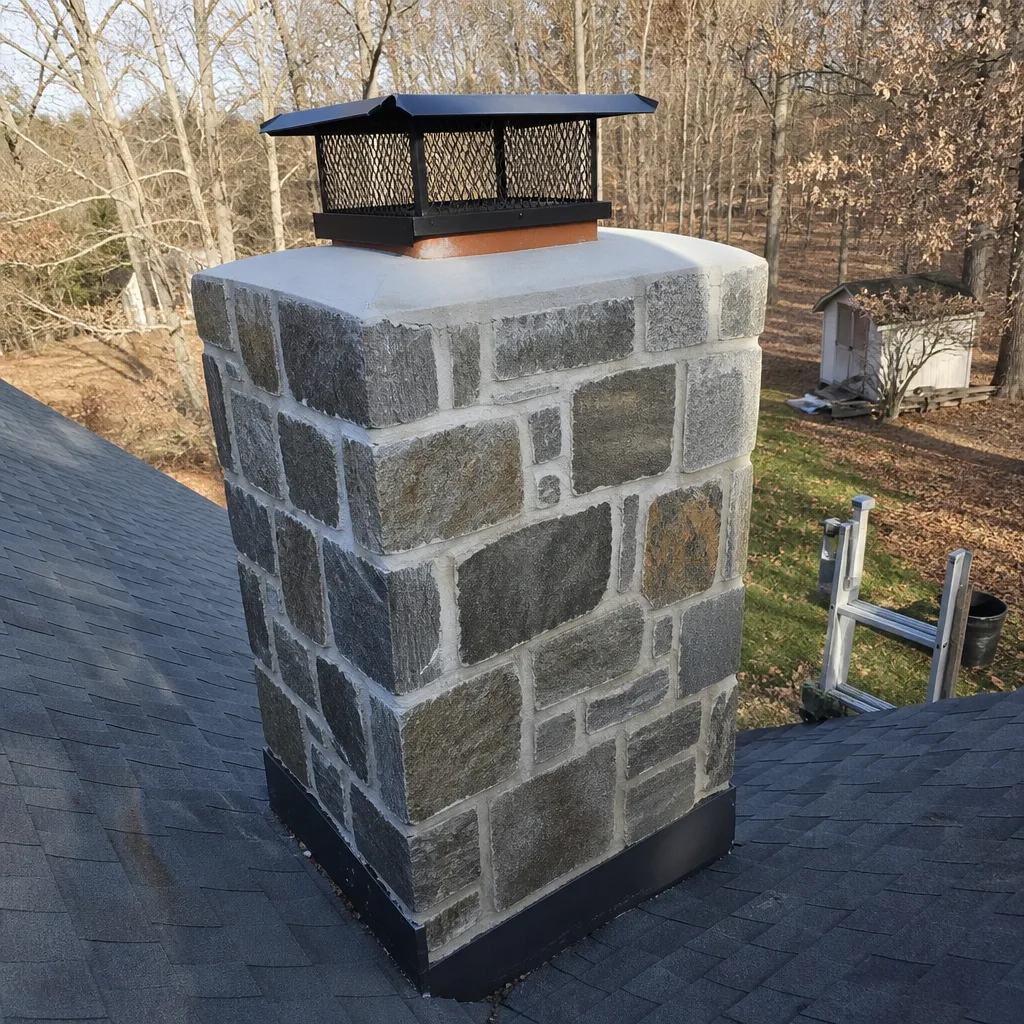 After
AfterHow to Hire a Chimney Cleaning Contractor in West Chester: A Step-by-Step Guide
In Pennsylvania, anyone can legally call themselves a chimney sweep with no license, no certification, and no insurance. There is no state board, no mandatory exam, no bonding requirement. The only protection a West Chester homeowner has is the contract language they negotiate before work starts. This guide gives you five specific questions to ask, what the answers reveal, and how to read between the lines of ad copy that sounds professional but covers for crews who’ve never run a chimney camera in their lives. For more guides & resources on protecting your home, see our blog. By the end, you’ll know how to convert three different bids into equivalent units so you can actually compare price instead of guessing.
Quick Answer
To hire a chimney cleaning contractor in West Chester, verify the company’s CSIA certification number independently, confirm they perform NFPA 211 Level 2 camera inspections with documented photo records, and get a written price with scope and warranty before anyone starts work. In our experience across 38,000+ chimneys since 2009, the contractors who resist these four requests are the ones who cost homeowners the most in follow-up repairs.
Table of Contents
- The Wrong First Question (and What to Ask Instead)
- Five Pre-Hire Questions That Separate Real Sweeps From Call Centers
- How to Verify a CSIA Certification Number Before the Truck Arrives
- Red Flags in Contractor Ad Copy and Phone Calls
- Written Contract Anatomy: Six Clauses That Protect You
- How to Compare Bids When Scope Differs
- West Chester-Specific Considerations: Climate, Codes, and Common Issues
- Common Mistakes to Avoid
- When to Call a Professional
- Frequently Asked Questions
- The Bottom Line
 Before
 After
AfterThe Wrong First Question (and What to Ask Instead)
Most homeowners in West Chester start with “How much is a chimney sweep?” That’s the wrong opening. Price without scope is a number without meaning, and it’s the opening a low-quality contractor wants you to take.
The right first question is: “What exactly will you inspect, document, and deliver to me in writing?”
Here’s why this matters. A chimney sweep who runs a brush up the flue and calls it done has performed a cleaning, but has not inspected the liner condition, crown integrity, smoke chamber construction, or clearance to combustibles. In West Chester’s freeze-thaw climate, where water infiltration through deteriorated crowns is the leading cause of liner failure, a brush-only sweep misses the damage that will cost you $2,000-$4,500 in liner replacement next season. Our Seasonal Chimney Cleaning Care for West Chester: Year-Round Homeowner’s Guide explains how to prevent this.
The NFPA 211 standard defines three inspection levels. Level 1 is a visual check of accessible portions. Level 2 requires a camera scan of the flue interior, inspection of accessible attics and crawl spaces, and documentation of findings. Level 3 involves demolition of building materials and is rarely needed for routine maintenance. In our practice at Level Two Chimney West Chester home, we’ve made Level 2 the default on every visit since 2009 - years before insurers or regulators began requesting camera documentation. That practice became Clause 4 of the Haven Standard.
When you ask “what will you inspect and document,” you’re really asking three things:
- Will a camera go down the flue, and will I receive the footage or photos?
- Will the inspection cover the crown, cap, flashing, and exterior masonry, or only the firebox?
- Will I receive a written report with findings, recommendations, and pricing before any repair work begins?
A contractor who answers clearly and specifically is demonstrating transparency. A contractor who deflects to “our technician will explain everything on site” is reserving the right to change the story once they’re in your home.
Five Pre-Hire Questions That Separate Real Sweeps From Call Centers
These five questions expose the structural difference between a company that employs trained technicians and a lead-generation call center dispatching uninsured subcontractors.
Question 1: What camera equipment do you use for flue inspections, and do I receive the footage?
A legitimate sweep company owns chimney inspection cameras and trains technicians to use them. The camera should be a dedicated chimney inspection system - not a borescope from a hardware store, not a phone on a stick. Ask the brand and model. Common professional systems include Wohler, Chim-Scan, and Inspector+. If the person answering the phone doesn’t know, that’s information.
More important: do you receive the footage or photos? At Level Two Chimney West Chester, Clause 4 of the Haven Standard requires a documented photo record on every job. We deliver it. If a company says “the technician will show you on his tablet,” you have no record if the finding changes later.
Question 2: When and how do I receive my written price?
This is the single most revealing question. A real company delivers a written price, written scope, and written warranty before work starts - not after the technician is already in your living room with soot on his boots.
Clause 1 of the Haven Standard, H.A.V.E.N. “Have it in writing,” requires this. We’ve delivered written prices before work on all 38,000+ jobs since our founding. If a contractor says “we’ll give you the price after we inspect” without committing to a written document you can review without pressure, you’re looking at a company that profits from urgency and confusion.
Question 3: What is your CSIA certification number, and how do I verify it?
The Chimney Safety Institute of America (CSIA) is the closest thing the industry has to a credentialing body. A certified sweep has passed an exam on codes, standards, and safety practices. But here’s what most homeowners don’t know: CSIA certification numbers are public and verifiable online. A contractor who won’t give you their number, or gives a number that doesn’t check out, is misrepresenting their qualifications.
We’ll cover the exact verification steps in the next section.
Question 4: What are your liability insurance coverage limits, and are your technicians employees or subcontractors?
Ask for the certificate of insurance directly from the carrier, not a PDF from the contractor. General liability should be at least $1 million per occurrence. Workers’ compensation is mandatory in Pennsylvania for employees but often skipped for subcontractors - and if an uninsured worker is injured on your property, your homeowner’s policy becomes the target.
Background-checked, uniformed employees with license numbers displayed are the standard we maintain under H.A.V.E.N. “Verified crews.” Subcontractor networks are common in the chimney industry because they let companies scale fast without investing in training. The technician who arrives may have been a roofer last week.
Question 5: What does your warranty cover, for how long, and is it in writing?
Verbal warranties are worthless. A written warranty should specify what is covered (workmanship, materials, or both), for what duration, and under what conditions. Our 365-Day Done Right Promise - if it’s not done right, we make it right - is stamped on every job. Ask what “done right” means specifically. If the answer is vague, the warranty is decorative.
How to Verify a CSIA Certification Number Before the Truck Arrives
CSIA maintains a public verification tool at csia.org. Here’s the exact process:
- Ask the contractor for their CSIA certification number during the initial call. Write it down.
- Navigate to csia.org and locate the “Find a Certified Chimney Sweep” directory.
- Enter the number. The system returns the certified individual’s name, certification date, and expiration.
- Cross-check the name against who the company says will perform your inspection. If the certified person is “the owner” but never visits jobsites, the certification is decorative.
- Check the expiration date. CSIA certification requires continuing education units (CEUs) for renewal. An expired certification is not a current credential.
What you’re looking for: a current certification held by the actual technician who will be on your roof, not a company principal who hasn’t touched a brush in years. Some companies maintain one certification for marketing while dispatching uncertified crews. The verification step exposes this.
In West Chester’s competitive market, we’ve encountered homeowners who were told a technician was “CSIA-trained” - a phrase with no credentialing meaning - when no certification existed at all. “Trained” is not “certified.” “Familiar with CSIA standards” is not “certified.” Only the number, verified on csia.org, confirms the credential.
Red Flags in Contractor Ad Copy and Phone Calls
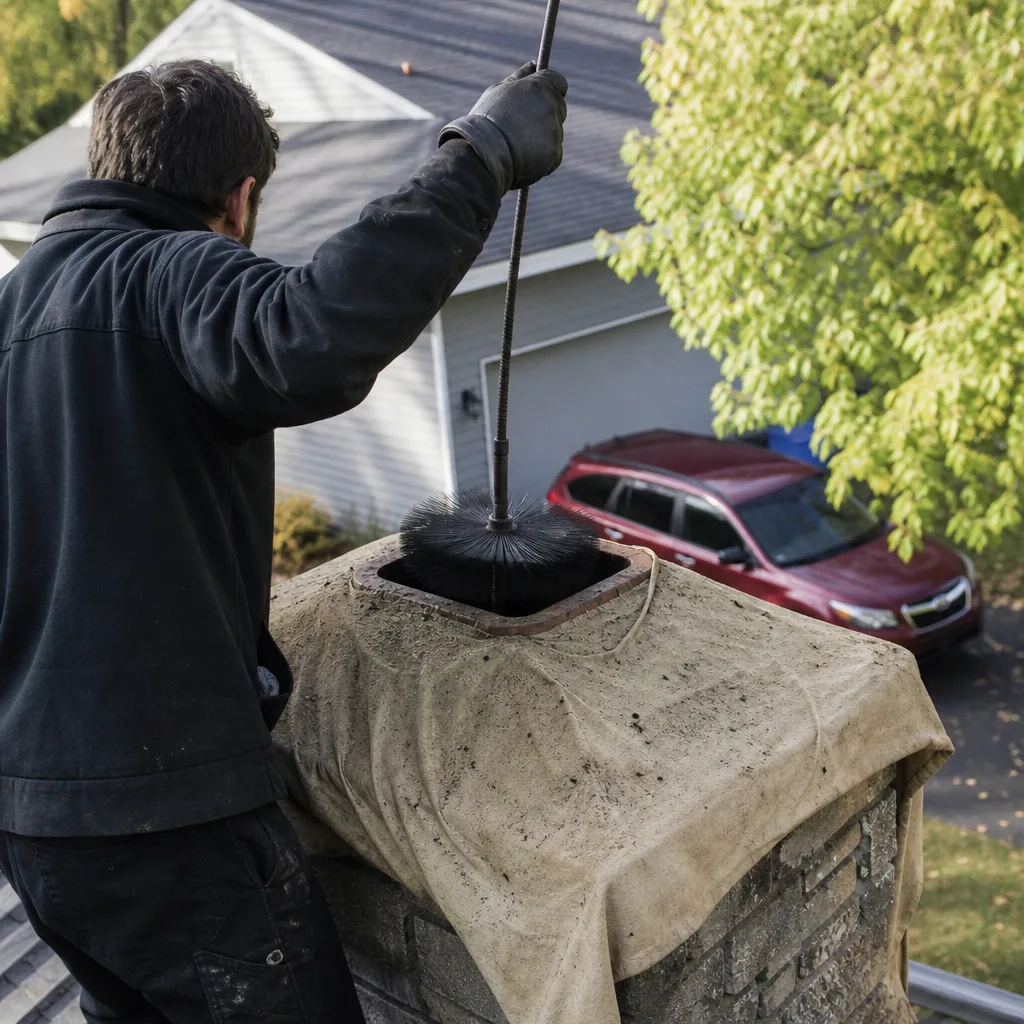
Certain phrases and offers correlate strongly with low-quality or deceptive practices. Learn to read them.
“Free Inspection” Bundled With a Sales Pitch
The free inspection is a classic lead-generation tool. The inspector - often a salesperson working on commission - finds problems that require immediate, expensive repair. The inspection was never free; its cost is embedded in the repair quote, which is typically inflated. A legitimate inspection has a stated price, a defined scope, and no obligation to purchase additional services.
Price-Matching Without Scope Definition
“We’ll beat any written estimate by 10%” sounds competitive. It’s meaningless if the scope differs. A $199 sweep that excludes camera inspection, crown assessment, and documentation is not comparable to a $349 sweep that includes all three. Price-matching promises rely on homeowners not reading the line items. We offer a Free Second Opinion on any written estimate - not to undercut on price, but to verify that the scope and materials specified are appropriate.
Before/After Photos Showing Only the Firebox Opening
The firebox is the easiest, most visually dramatic part to clean. Photos of a blackened firebox becoming brick-red prove almost nothing about the quality of flue cleaning, liner inspection, or crown work. Request before/after documentation of the flue interior from the camera scan. That’s where the critical findings live.
Vague Credential Claims
“Licensed and insured” without specifying the license type or coverage limits. “Certified technicians” without naming the certifying body. “Years of experience” without stating how many years or in what capacity. These phrases are designed to sound reassuring while committing to nothing verifiable.
Pressure to Decide Immediately
“I can give you 15% off if you book today” or “this price is only good while I’m here” are urgency tactics, not business practices. A written price delivered before work starts, as Clause 1 of the Haven Standard requires, removes time pressure entirely. You review, you compare, you decide.
Written Contract Anatomy: Six Clauses That Protect You
A chimney service contract in West Chester should contain specific protections. Here’s what to look for, clause by clause. For regulatory background, see Chimney Cleaning Permits, Codes & Inspections in PA: What You Need to Know.
Clause 1: Scope of Work in Plain Language
The contract must state exactly what will be done: “NFPA 211 Level 2 inspection including camera scan of flue from firebox to crown,” not “chimney inspection.” For cleaning: “mechanical sweeping of flue to remove Class I and II creosote deposits,” not “chimney sweep.” Specificity prevents scope disputes.
Clause 2: Materials and Methods Specified
If repairs are included, the contract names the materials: “HeatShield cerfractory foam resurfacing of smoke chamber,” “Gelco stainless steel chimney cap, model [number],” or “Olympia Chimney liner, UL-listed, 316Ti stainless steel.” Generic descriptions like “premium liner” or “professional-grade cap” allow substitution with inferior products.
Clause 3: Total Price and Payment Terms
A single total, line-item breakdown available on request, with payment terms stated: deposit amount, balance due upon completion, acceptable payment methods. No blanks to be filled in later. No “plus materials” open-ended clauses.
Clause 4: Warranty Scope and Duration
What is covered, for how long, and what triggers it. “365-Day Done Right Promise: if workmanship or materials fail due to defect or installation error, we repair or replace at no charge.” Compare to: “satisfaction guaranteed” - guaranteed how, by what mechanism, for what duration?
Clause 5: Insurance and Liability
Certificate of insurance referenced, with carrier name, policy number, and coverage limits. Statement that the company carries workers’ compensation for all employees. Hold-harmless language that protects you from claims if a worker is injured on your property.
Clause 6: Documentation Deliverables
What you receive and when: “Inspection report with photo record delivered within 24 hours via email portal.” This is Clause 4 of the Haven Standard in contractual form. Without this clause, you have no evidence of pre-existing conditions if damage is discovered later, no documentation for your insurer, no record for the next buyer if you sell your West Chester home.
The four clauses that protect only the contractor: broad “act of God” exclusions that cover normal weather damage; mandatory binding arbitration in distant jurisdictions; lien rights that allow the contractor to file against your property for disputed amounts; and “entire agreement” clauses that negate verbal promises made during the sales process.
How to Compare Bids When Scope Differs
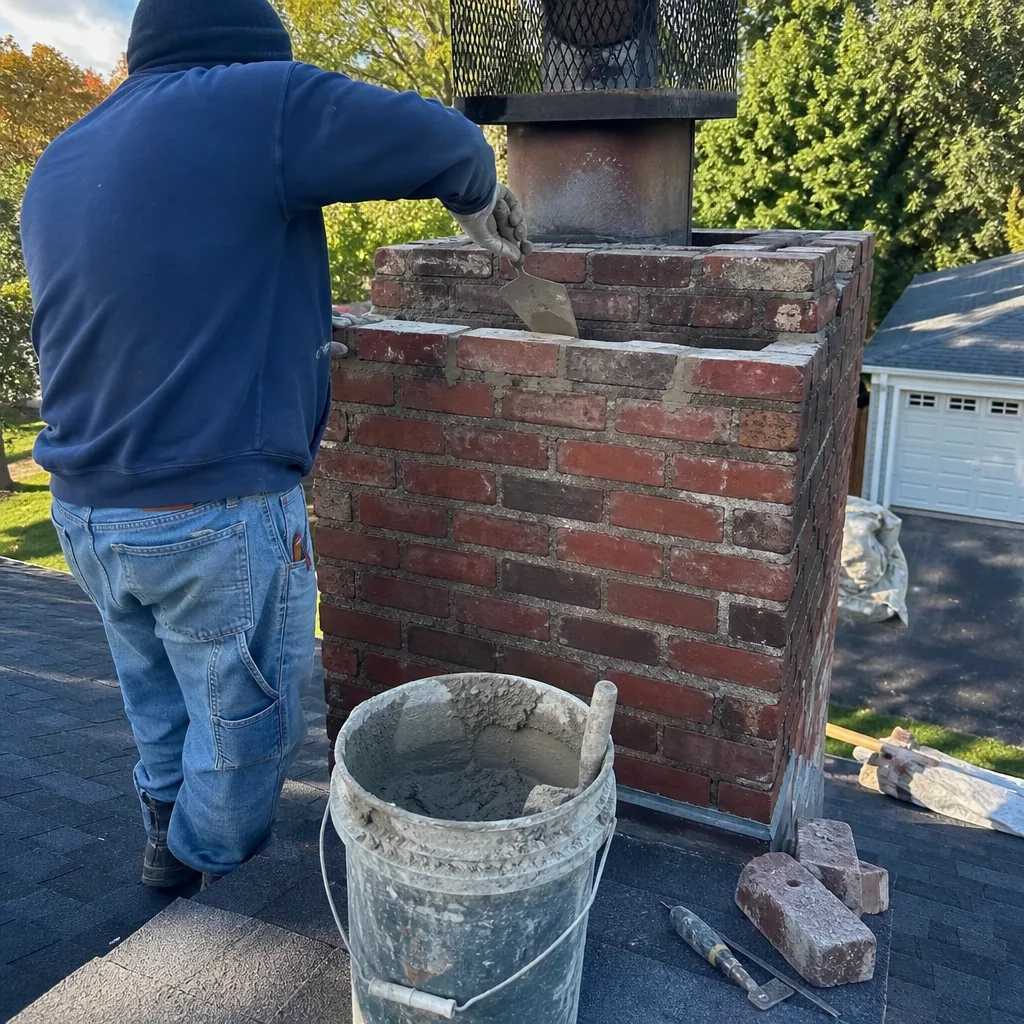
Homeowners in West Chester often receive three bids with no clear way to compare them. Here’s a framework for converting unlike estimates into equivalent units.
Step 1: Normalize the Inspection Standard
Convert every bid to NFPA 211 level:
- Level 1 (visual only): assign value $0 for inspection depth
- Level 2 (camera scan, attic/crawl space check): baseline value
- Level 3 (destructive inspection): rarely needed; question why it’s proposed
A $199 bid with Level 1 inspection is not cheaper than a $349 bid with Level 2. It’s a different service entirely.
Step 2: Itemize the Documentation
What deliverables are included?
- Written report: yes/no
- Photo record of flue interior: yes/no
- Video footage: yes/no
- Clearance measurements to combustibles: yes/no
Assign replacement value: obtaining a camera inspection after the fact costs $250-$400 as a standalone service.
Step 3: Verify Material Specifications
For any repair work, list the proposed materials and check current pricing:
- Chimney liner: brand, alloy (304 vs. 316Ti stainless), UL listing status
- Crown repair: type of sealant or pour, warranty length
- Cap: mesh size, material gauge, manufacturer
A bid using Famco or Copperfield components through a buying network typically reflects honest procurement pricing. A bid with unspecified “equivalent” materials may substitute inferior products.
Step 4: Calculate True Cost Per Year of Warranty Coverage
Divide total bid by warranty years. A $2,000 liner with 10-year warranty = $200/year. A $1,600 liner with 1-year warranty = $1,600/year if it fails early. The “cheaper” bid is often the more expensive risk.
Step 5: Add Cost of Missing Protections
What does each bid omit that you’ll pay for separately?
- Camera inspection to verify work: $250-$400
- Written documentation for insurance/real estate: $150-$300
- Follow-up visit for warranty claim: often charged as new service call
The bid that includes these as standard - as we do under the Haven Standard - is frequently the lower true cost despite higher upfront price.
West Chester-Specific Considerations: Climate, Codes, and Common Issues
West Chester sits in Chester County’s piedmont zone with distinct seasonal patterns that affect chimney performance and contractor selection.
Freeze-Thaw Damage Frequency
Our winters produce 20-30 freeze-thaw cycles annually, with temperatures oscillating above and below 32°F. Water penetrates crown cracks, expands on freezing, and widens the crack progressively. By March, a hairline crown crack from October can become a structural separation requiring full crown rebuild rather than sealant repair. This is why camera inspection timing matters: catching crown deterioration in early fall, before freeze-thaw acceleration, often means repair instead of replacement.
Local Fuel Mix and Creosote Patterns
West Chester homeowners burn mixed hardwoods - oak, maple, hickory - sourced from county suppliers or their own properties. Properly seasoned hardwood produces Class I or II creosote, which mechanical sweeping removes effectively. But we regularly find improperly seasoned wood in homes near the Brandywine Valley, where homeowners cut standing timber and burn within six months. This produces Class III glazed creosote, which requires chemical treatment before mechanical removal and cannot be fully addressed in a standard sweep appointment.
Historic District and Zoning Considerations
Properties in the West Chester Historic District face additional constraints on exterior modifications. Chimney cap replacement, crown rebuilding with altered dimensions, or liner installation requiring exterior access may need borough approval. A contractor unfamiliar with West Chester’s Historic Architectural Review Board process can create permit delays or require rework. Ask specifically: “Have you performed work in the West Chester Historic District, and do you handle permit applications?”
Neighborhood-Specific Construction Eras
Homes in the borough center, built 1840-1920, often have unlined masonry flues or early terra cotta liners with degraded mortar joints. Homes in suburban developments from 1960-1990 frequently have factory-built metal chimneys with known corrosion patterns. Homes built 2000-2015 in developments like West Goshen or East Bradford often have properly lined systems but suffer from poor original installation of caps and flashing. A contractor who asks when your home was built and where it’s located is demonstrating relevant experience. One who treats all chimneys identically is not.
Common Mistakes to Avoid
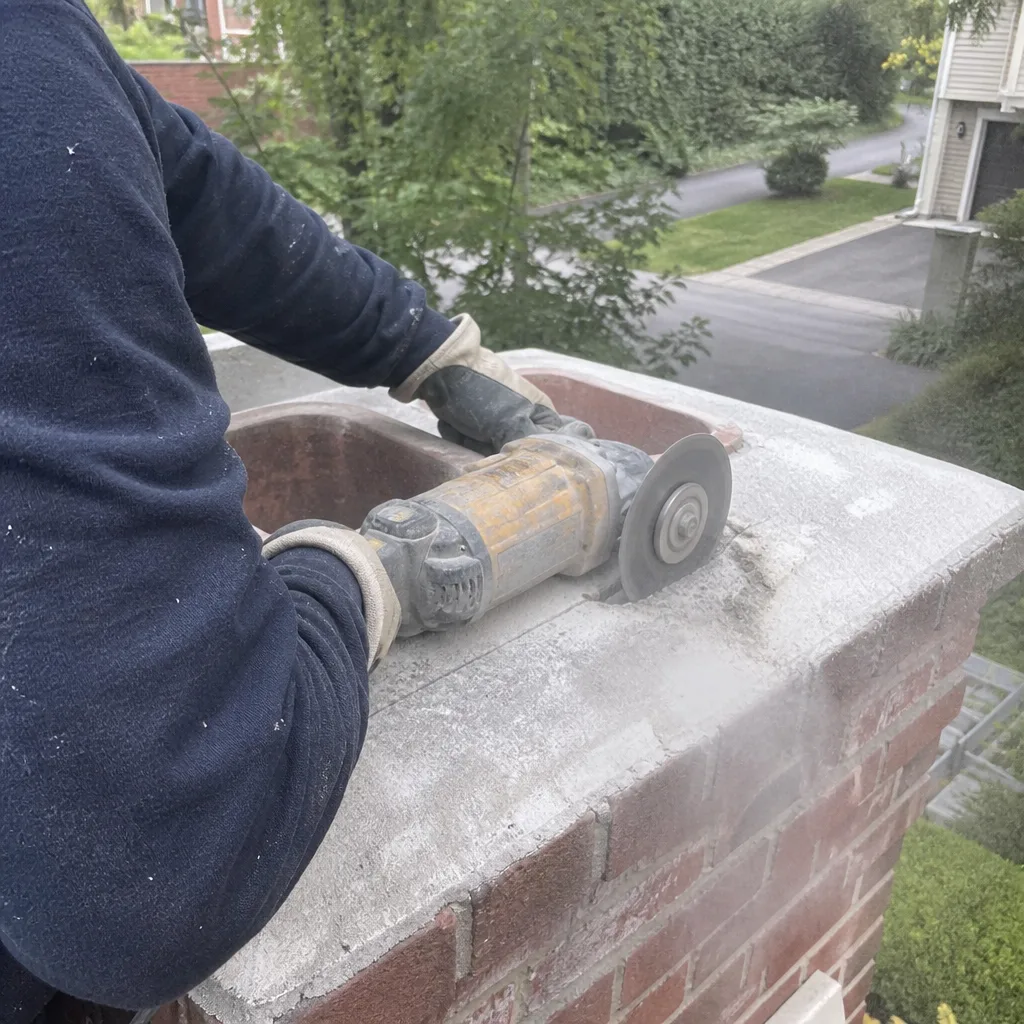
- Hiring based on lowest price without scope comparison. A $149 sweep that omits camera inspection, crown check, and documentation is not a bargain. It’s an incomplete service that leaves dangerous conditions undetected.
- Accepting verbal estimates at the door. Pennsylvania’s home improvement contractor law requires written contracts for jobs over $500, but many homeowners waive this for smaller amounts. Get it in writing regardless. Clause 1 of the Haven Standard exists because verbal promises evaporate when problems arise.
- Assuming “certified” means CSIA-certified. Manufacturers certify installers for their specific products. Trade associations offer membership certificates with no exam requirement. Only CSIA certification involves standardized testing and continuing education. Verify the number.
- Ignoring the subcontractor question. In West Chester’s seasonal economy, some companies staff up with temporary workers for fall rush. These crews may lack training, equipment familiarity, or insurance coverage. Ask directly: “Will the person who arrives be your employee?”
- Booking based on online reviews without reading three-star entries. Five-star reviews cluster around service aspects you can’t verify (friendliness, punctuality). Three-star reviews often contain specific, verifiable claims about scope omissions, price changes, or documentation failures. Read them carefully.
- Skipping the off-season inspection. Most West Chester homeowners call in October. Contractors are overloaded, rushed, and less likely to spend time on thorough documentation. A May or June inspection reveals summer water damage early, allows scheduling flexibility, and typically receives more attentive service.
- Failing to request the photo record. Even companies that own cameras sometimes don’t deliver footage to homeowners. The photo record is your evidence of pre-existing condition, your documentation for insurance claims, and your baseline for comparing future inspections. Request it explicitly.
When to Call a Professional
Call a chimney professional before burning season if you haven’t had a Level 2 inspection in the past 12 months, if you notice visible cracks in the crown or exterior masonry, if you smell smoke or experience draft problems, or if you’re buying or selling a home in West Chester and need documentation for the real estate transaction.
More urgently, stop using the fireplace and call immediately if you see flames or sparks exiting the chimney top, if you hear cracking or popping sounds during a fire, or if your carbon monoxide detector activates. These indicate active hazards that require professional assessment before further use.
Chimney Repair in West Chester becomes necessary when inspection reveals structural damage, liner failure, or water infiltration that cleaning alone cannot address. Fireplace Services in West Chester cover gas insert maintenance, damper repair, and combustion analysis for modern systems.
Level Two Chimney West Chester offers free estimates in West Chester - call (610) 321-4570. Every estimate includes a written price, written scope, and written warranty before any work begins, with no obligation to proceed.
Frequently Asked Questions
A professional chimney sweep in West Chester typically ranges from $250-$450 for a complete service including NFPA 211 Level 2 camera inspection, documented photo record, and written report. Prices below $200 usually indicate a brush-only cleaning without inspection depth or documentation. Call (610) 321-4570 for an exact quote - estimates are free.
You need a new liner when camera inspection reveals cracks, gaps, or deterioration that compromise the flue’s ability to contain combustion byproducts, or when changing fuel types or appliance efficiency requires a different liner specification. We never recommend liner replacement without camera evidence you can see for yourself, and we’ll tell you plainly when the existing liner can safely remain in service. Call (610) 321-4570 for a free second opinion on any written estimate.
The National Fire Protection Association recommends annual inspection for all chimneys, with cleaning frequency determined by creosote accumulation. Most West Chester homeowners who burn regularly need annual sweeping; occasional users may extend to every two years if inspection shows minimal buildup. The freeze-thaw climate here makes annual inspection particularly important for catching crown and masonry deterioration early.
Skipped maintenance allows creosote to accumulate to hazardous levels, increasing chimney fire risk. Water infiltration through deteriorated crowns damages liners and masonry, leading to carbon monoxide leakage into living spaces. In West Chester, we’ve seen $800 annual maintenance deferred into $4,000-$8,000 rebuilds after three to five years of neglect. The hazard is real, but so is the ability to plan repairs when documentation gives you advance warning.
Verify their CSIA certification number at csia.org, request a certificate of insurance directly from their carrier, confirm they deliver written prices before work starts, and ask whether technicians are employees or subcontractors. Pennsylvania has no state licensing for chimney sweeps, so these independent verifications are your only protection. Call (610) 321-4570 if you want help evaluating a bid you’ve received.
A Level 2 inspection includes visual examination of accessible portions, camera scan of the flue interior from firebox to crown, inspection of attics, crawl spaces, and basements for proper clearances and condition, and documentation of all findings with photo or video record. It is the standard required for real estate transactions, after chimney fires, or when changing appliance type. Level Two Chimney West Chester has performed this as our default since 2009.
The Bottom Line
Hiring a chimney contractor in West Chester comes down to documentation and verification. Ask five questions about camera equipment, written pricing, CSIA certification, insurance coverage, and warranty scope. Verify the CSIA number independently. Read contracts for six protective clauses and four contractor-protection clauses. Convert unlike bids to equivalent units before comparing price. And remember: in a state with no licensing requirement, the contract you negotiate before work starts is the only enforceable standard you have.
We’ve completed more than 38,000 chimney inspections and cleanings since 2009, every one with a written price before work started and a documented record when it was done. Our materials come from HeatShield, Gelco, Olympia Chimney, and other manufacturers procured through Haven’s buying network to keep customer prices honest. The 365-Day Done Right Promise applies to every job.
Call (610) 321-4570 for a free estimate. You’ll receive a written price, written scope, and written warranty before anyone starts work - no exceptions, no surprises.
Written by Corrine Halstead, Owner at Level Two Chimney West Chester, serving West Chester since 2009.