
Last updated September 22, 2026
Level 1 sweep and inspection to the NFPA 211 annual standard - flue, crown, cap, and flashing checked and photographed
Chimney sweep logs do not sweep chimneys. They loosen some creosote - which then falls where a brush and vacuum still have to collect it.
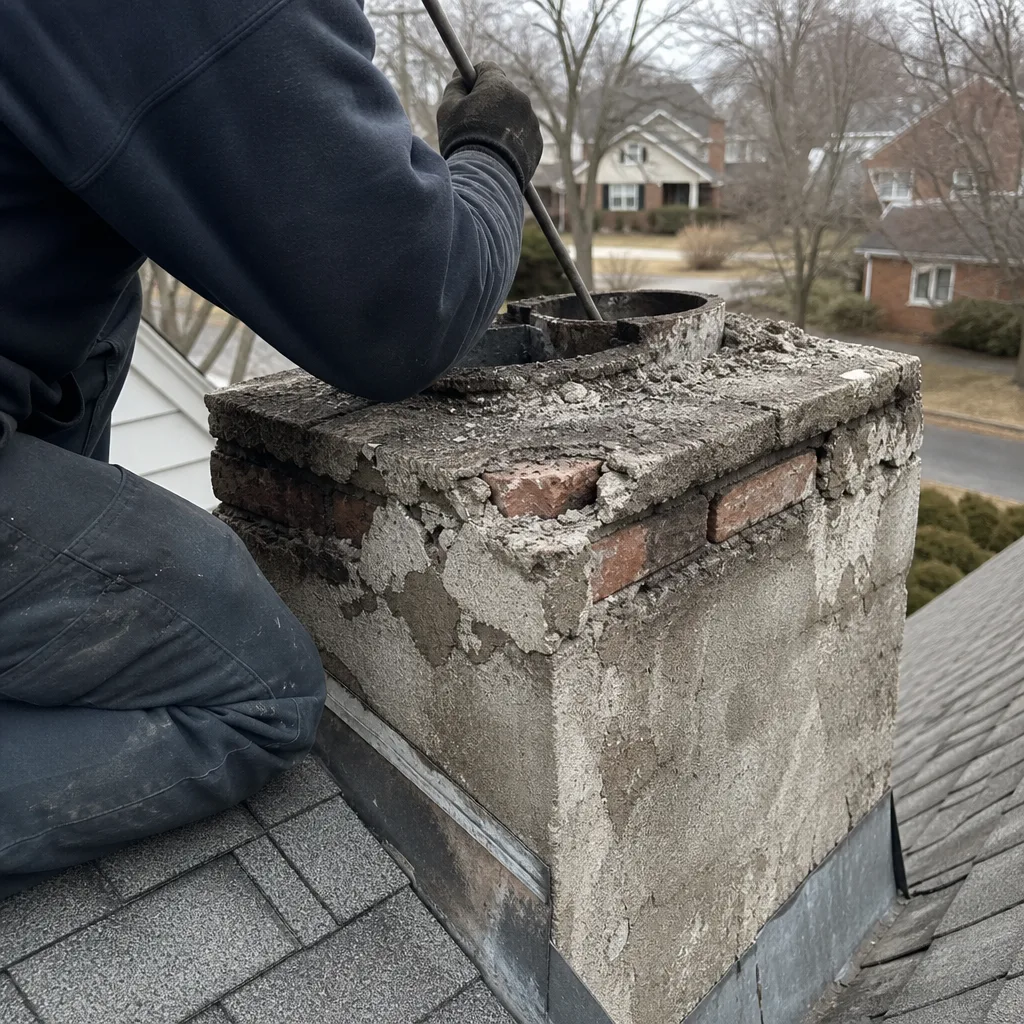 Before
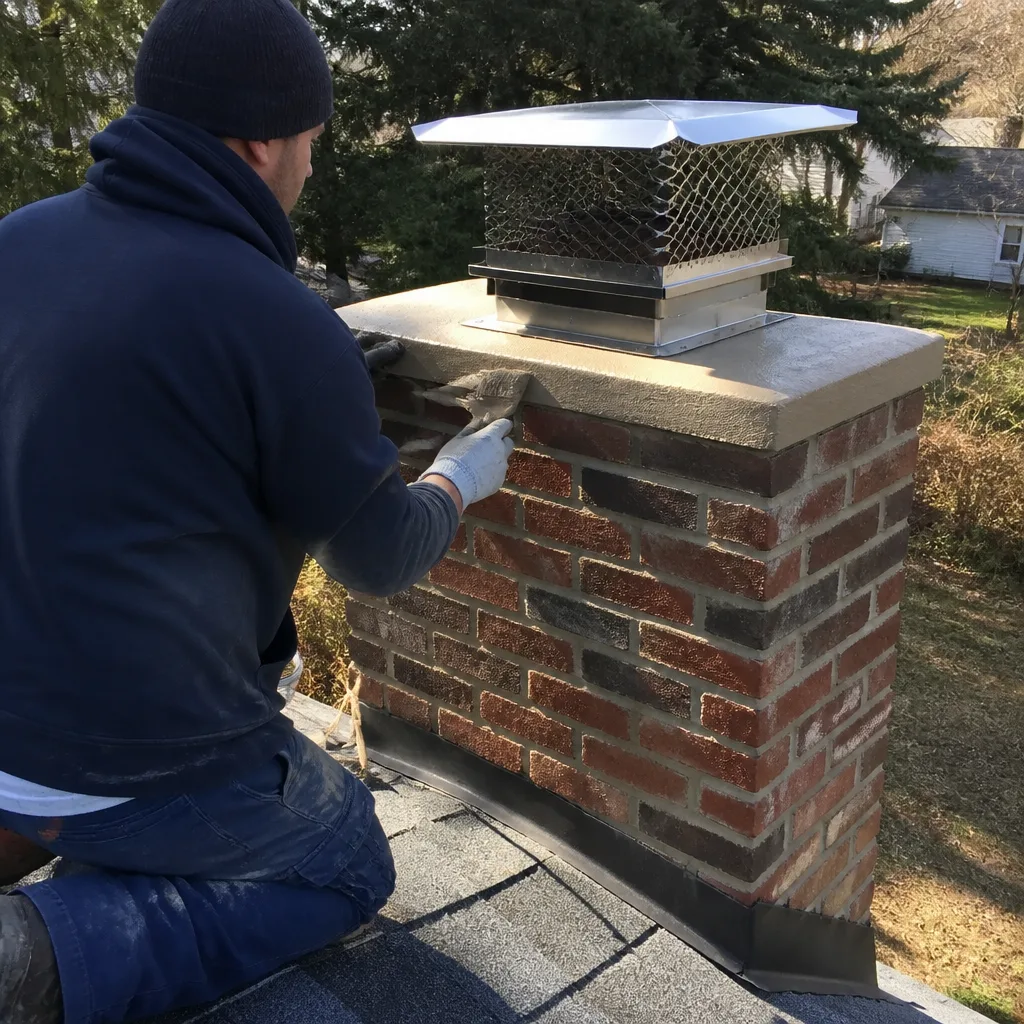 After
After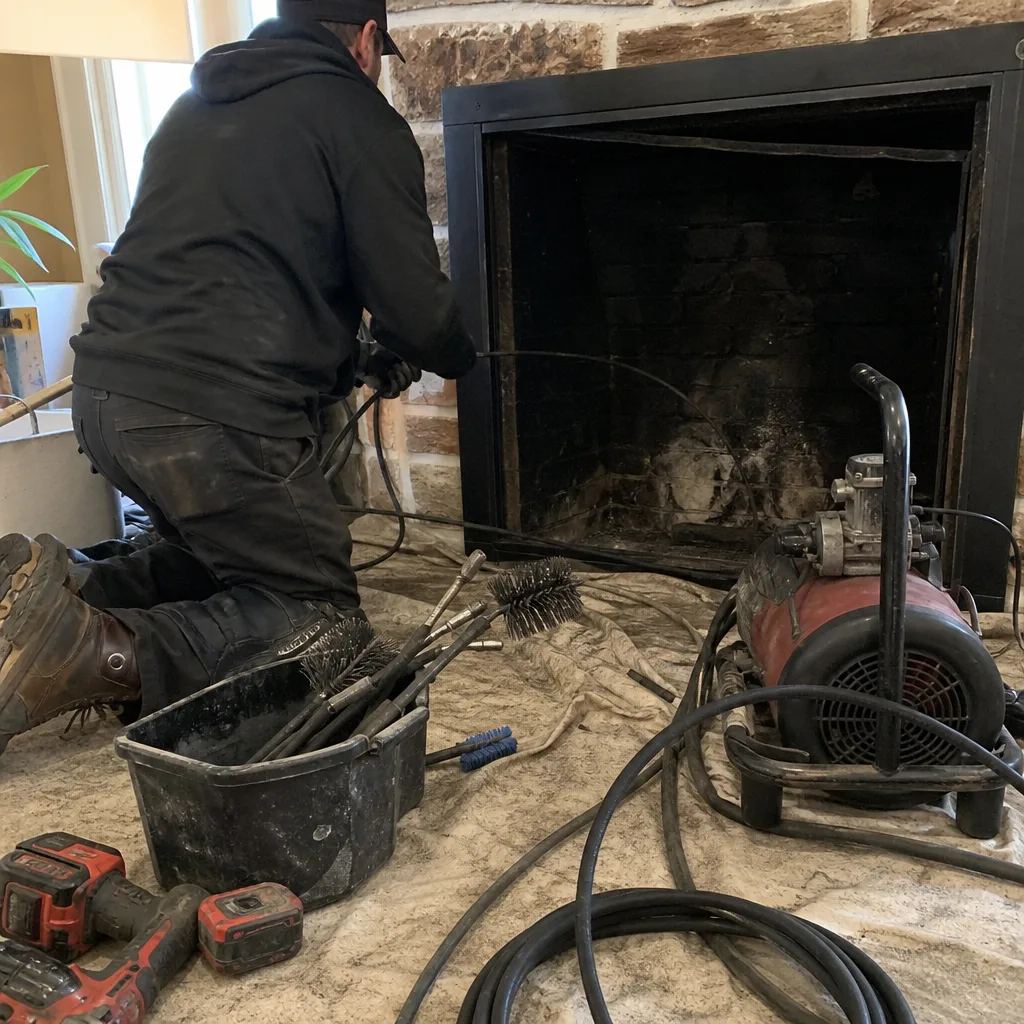 Before
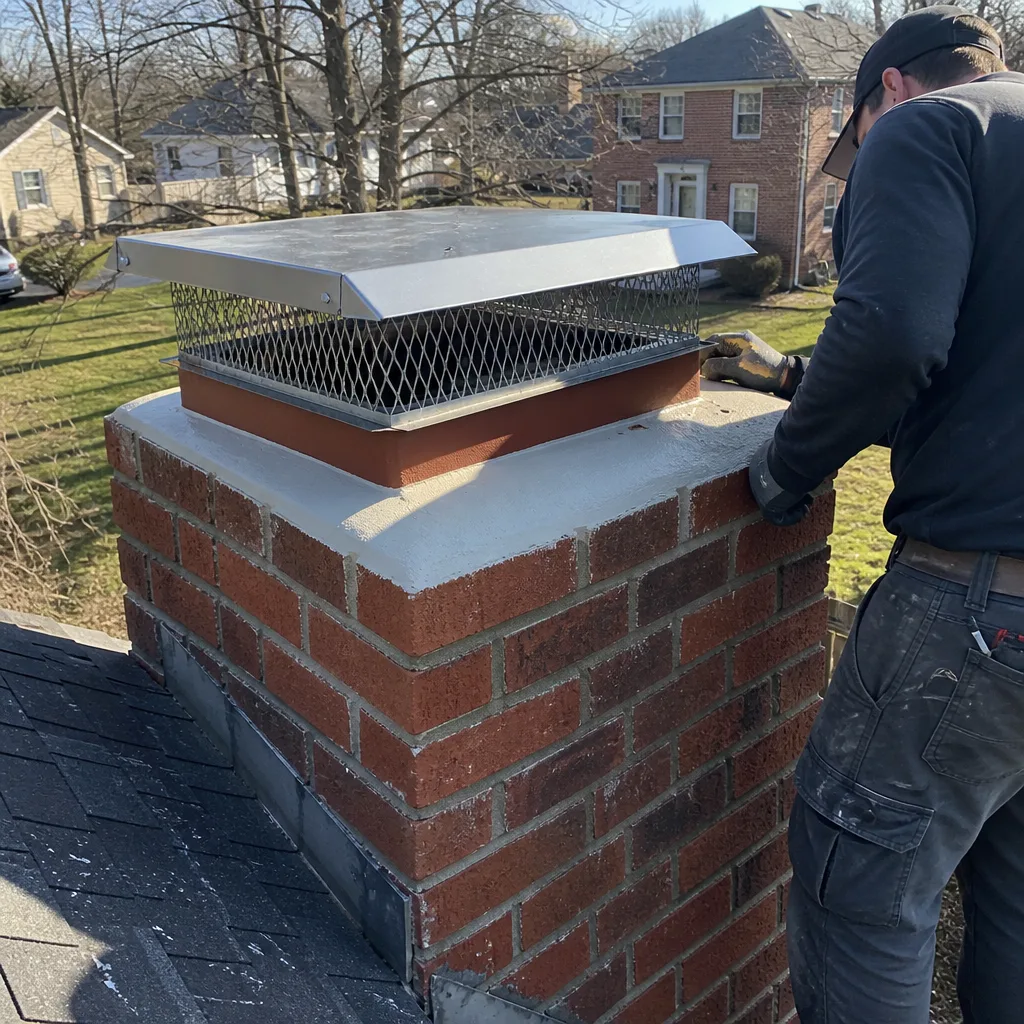 After
After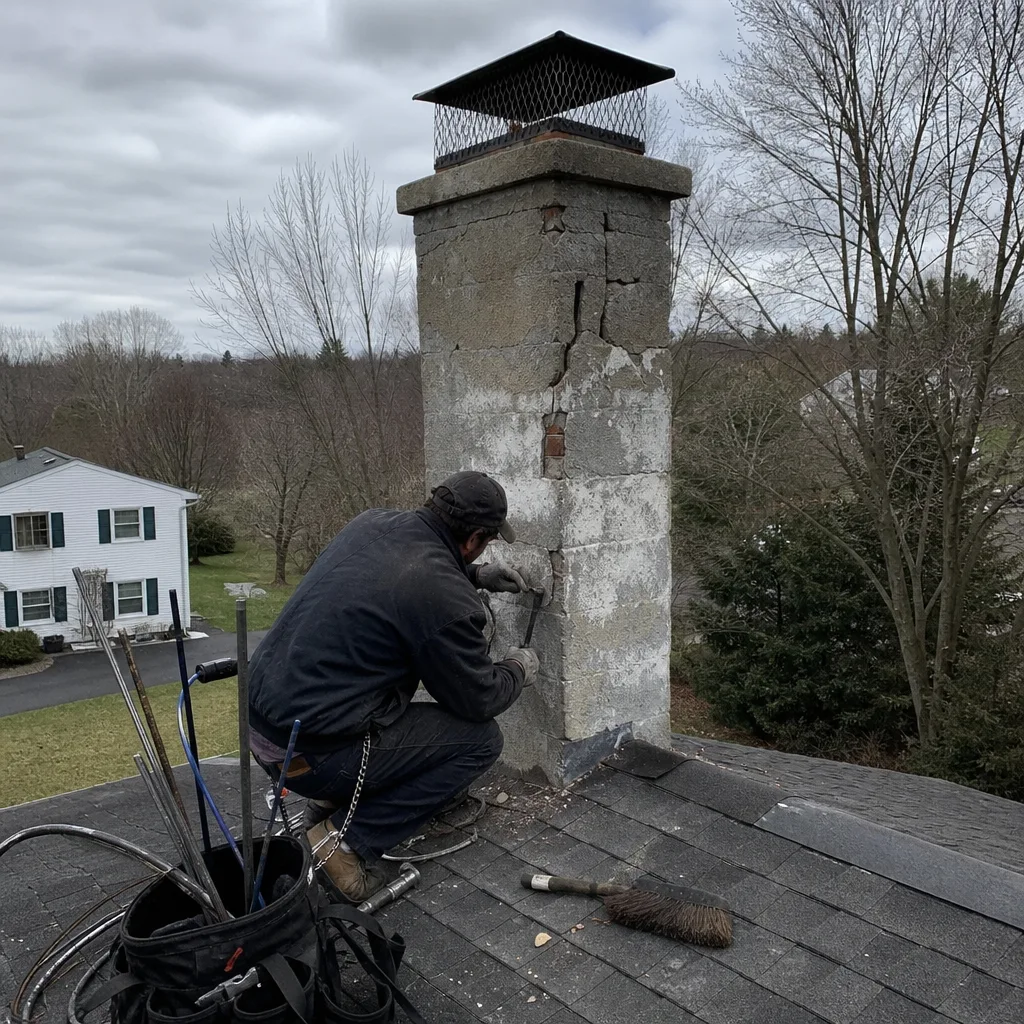 Before
 After
AfterSeasonal Chimney Cleaning Care for West Chester: Year-Round Homeowner’s Guide
West Chester averages 20 freeze-thaw cycles between November and March. Each one forces water trapped in mortar joints through an expansion-contraction cycle that no amount of fall cleaning prevents if the chimney enters winter with existing cracks. Most homeowners in Chester County schedule a single sweep in October, check a box, and forget the structure exists until the next autumn. That approach misses where the real damage accumulates: in the shoulder seasons, when temperatures swing above and below freezing while the chimney is supposedly “at rest.” This guide maps a month-by-month care schedule built on local weather data, not calendar folklore. You’ll learn why March inspections catch more actionable damage than October ones, how to read your own chimney for seasonal warning signs, and how to build a multi-year record that predicts major repair before it becomes urgent.
Quick Answer
Seasonal chimney care in West Chester means four distinct maintenance windows: post-winter structural assessment (March-April), summer moisture and intrusion prevention (June-August), pre-burning creosote baseline and sweep (September-October), and mid-winter usage monitoring (January-February). A single annual sweep is the minimum; homeowners who burn more than three times weekly from November through mid-March should plan a mid-season inspection to catch accelerated creosote buildup before it reaches Class III glazed deposits.
Table of Contents
- Why West Chester’s Climate Rewrites the Standard Schedule
- Spring (March-April): The Most Overlooked Inspection Window
- Summer (June-August): Moisture Mapping and Animal Defense
- Fall (September-October): The Creosote Baseline Sweep
- Winter (November-Mid-March): Usage Monitoring and Mid-Season Triggers
- Homeowner Checklist: Seasonal Tasks That Don’t Void Warranties
- Building Your Multi-Year Maintenance Record
- Common Mistakes to Avoid
- When to Call a Professional
- Frequently Asked Questions
- The Bottom Line
 Before
 After
AfterWhy West Chester’s Climate Rewrites the Standard Schedule
The standard advice - “sweep before the first fire” - treats chimney maintenance as a single event. In West Chester’s humid continental climate, that advice is incomplete at best and actively misleading at worst.
Chester County sits in USDA Hardiness Zone 7a, with average winter lows around 20°F and frequent January thaws that push daytime highs into the 40s and 50s. Those swings create the freeze-thaw cycle that destroys masonry from within. Water enters hairline cracks during warm, wet periods. When temperatures drop below 32°F, that water expands by roughly 9% volume, widening the crack. The next thaw allows more water in. By the third or fourth cycle, a crack that was invisible in October is wide enough to admit a pencil.
Here’s what that means practically: a chimney inspected in September 2024 and pronounced “fine” can have significant new damage by March 2025. The inspector didn’t miss anything. The damage hadn’t happened yet.
West Chester’s precipitation pattern compounds this. We average 46 inches of annual rainfall, with November and March as peak wet months. A chimney crown with minor alligator cracking in late fall will have absorbed substantial water by early spring. The crown doesn’t fail in October. It fails in April, when the homeowner has already stopped thinking about the fireplace.
This climate reality shifts the priority of inspections. The October sweep remains essential for creosote management and safe ignition. But the March inspection is where we catch the structural damage that, left unaddressed, turns a $400 crown repair into a $3,500 rebuild by the following year. In our experience across more than 38,000 chimney inspections since 2009, the most expensive deferred maintenance we see in West Chester homes started as minor freeze-thaw damage discovered too late.
The schedule below builds four distinct maintenance windows around this climate pattern. Each has a specific purpose, specific warning signs to watch for, and specific documentation to collect.
Spring (March-April): The Most Overlooked Inspection Window
March is when West Chester chimneys reveal their winter secrets. The heating season is ending, the roof is still cold, and the full extent of freeze-thaw damage is now visible.
We schedule more Level 2 camera inspections in March and April than any other two-month period, and not because homeowners are proactive. They’re calling because water stains appeared on the ceiling near the chimney breast, or because a neighbor’s contractor pointed out spalling brick during a routine gutter cleaning. The reactive calls outnumber the proactive ones by roughly three to one.
Here’s what a proper post-winter inspection in West Chester should target:
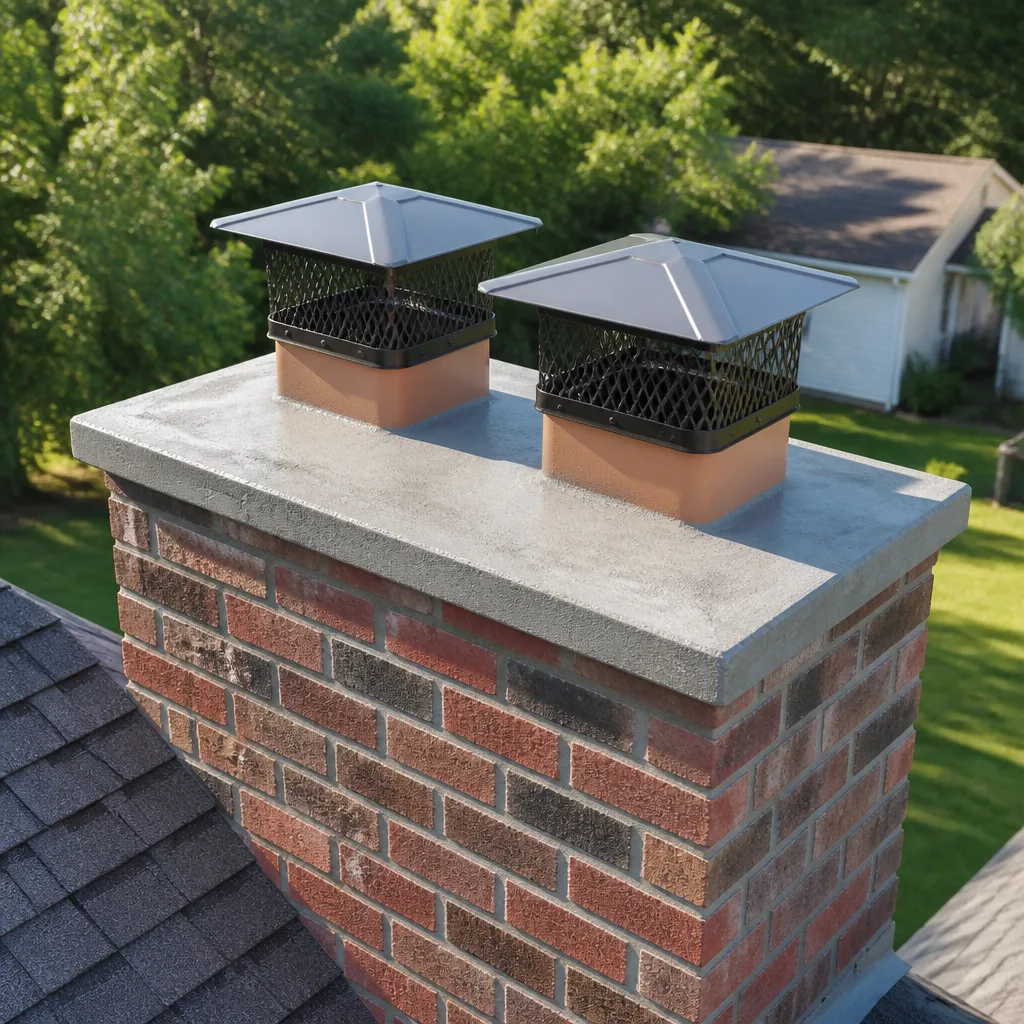
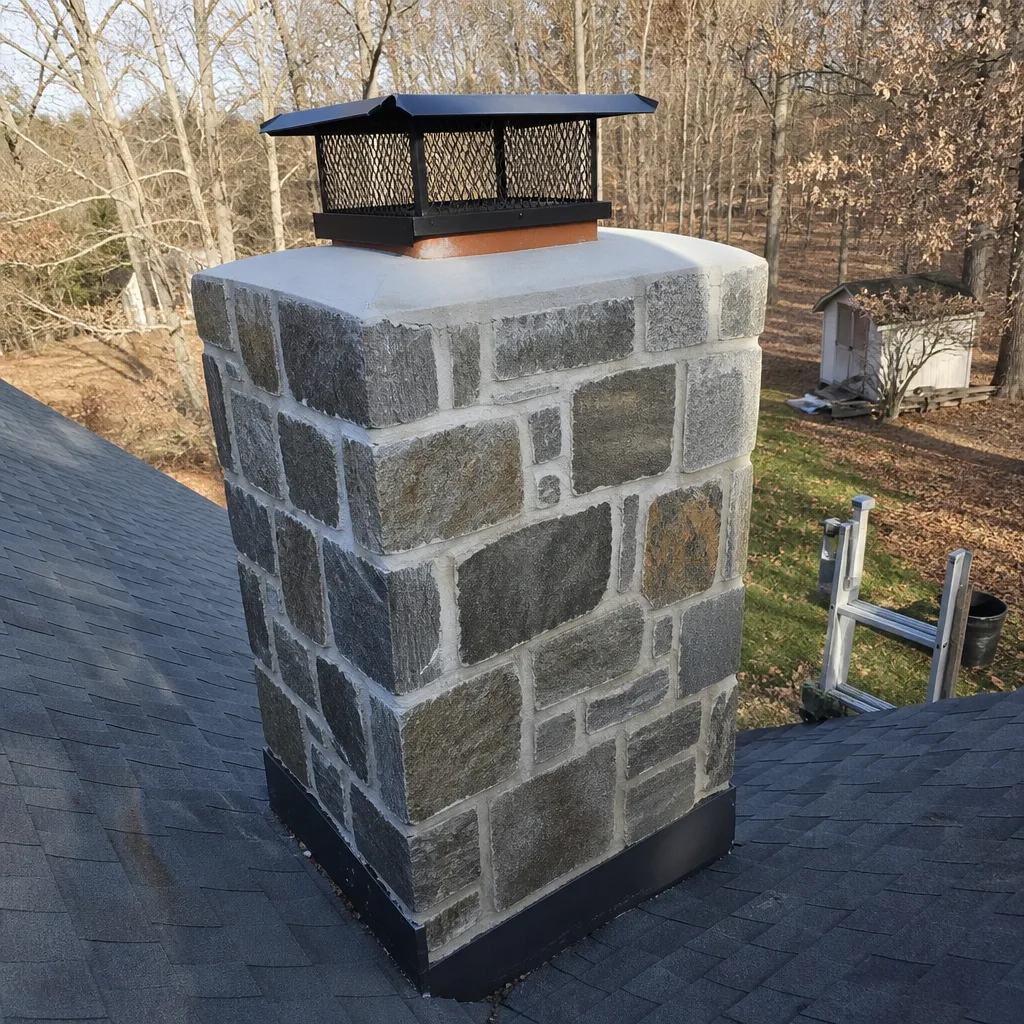
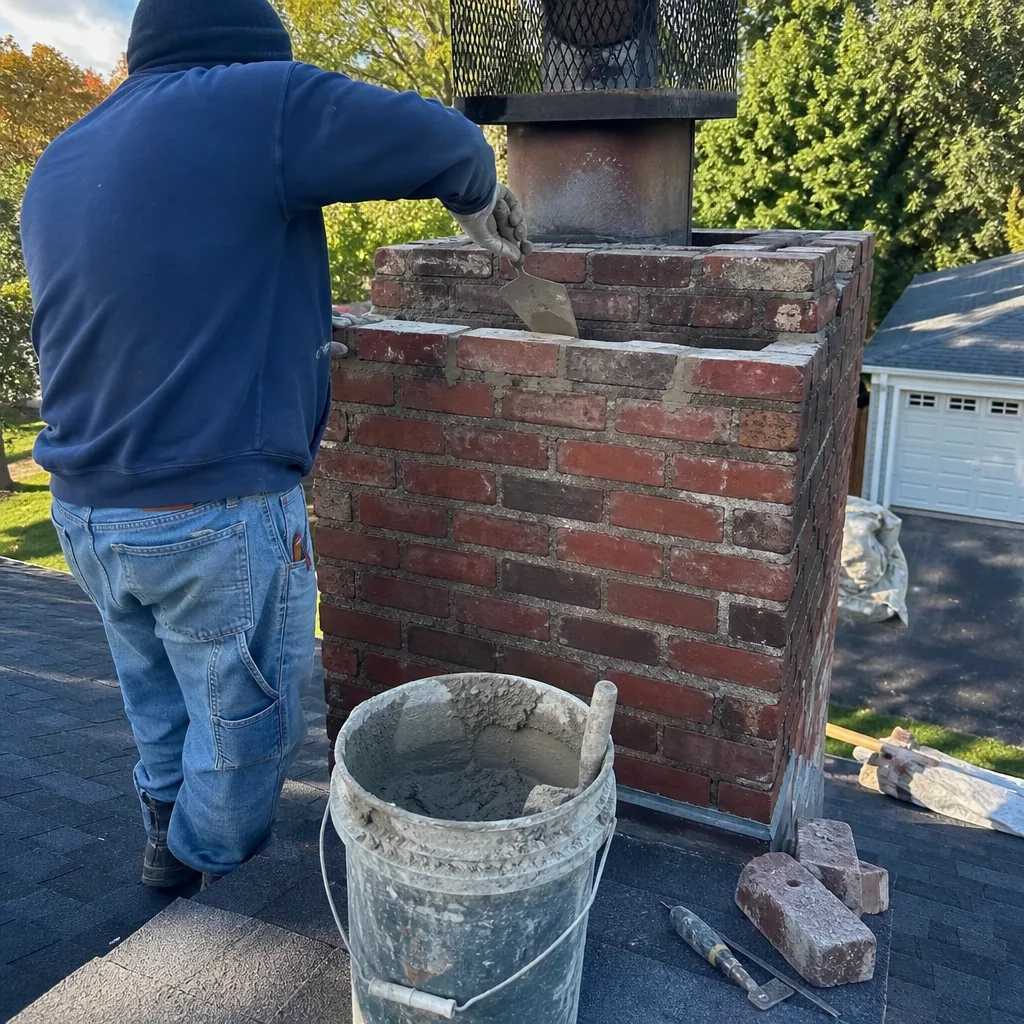
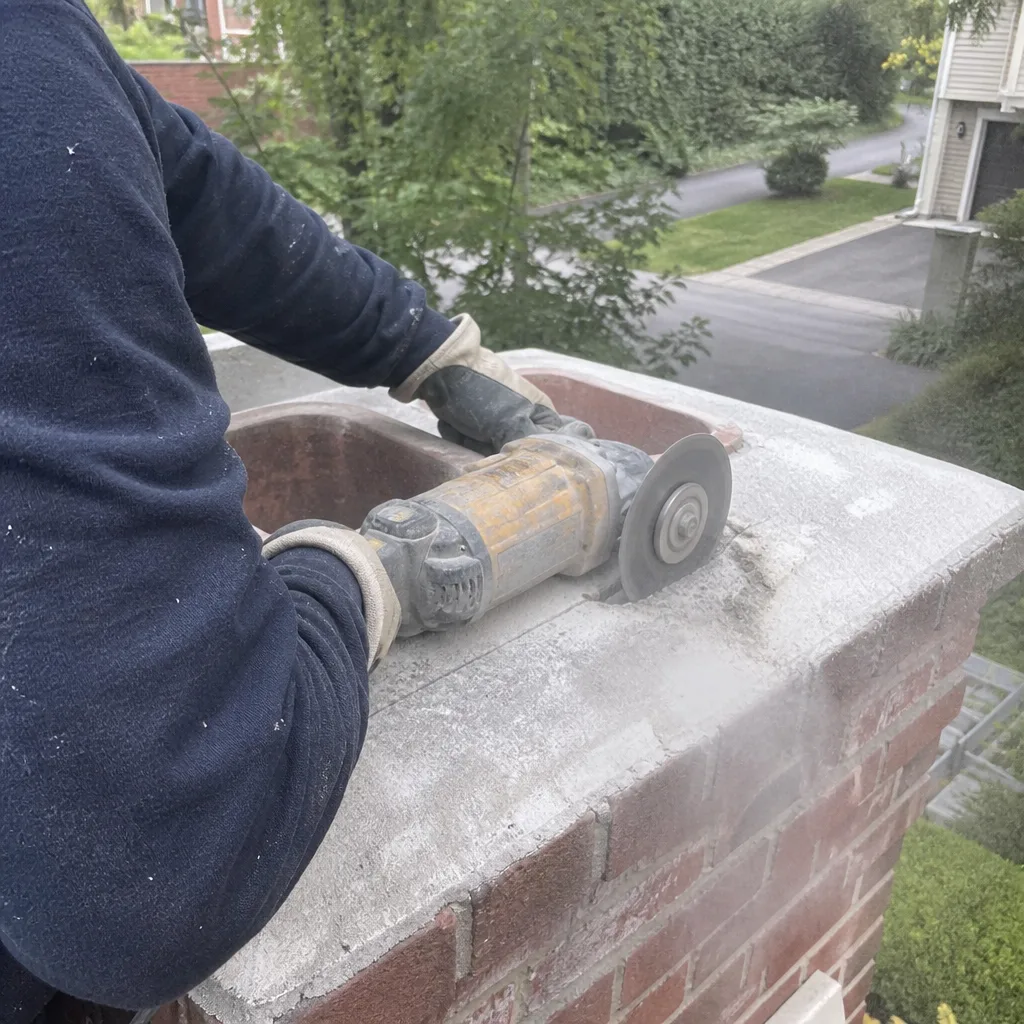
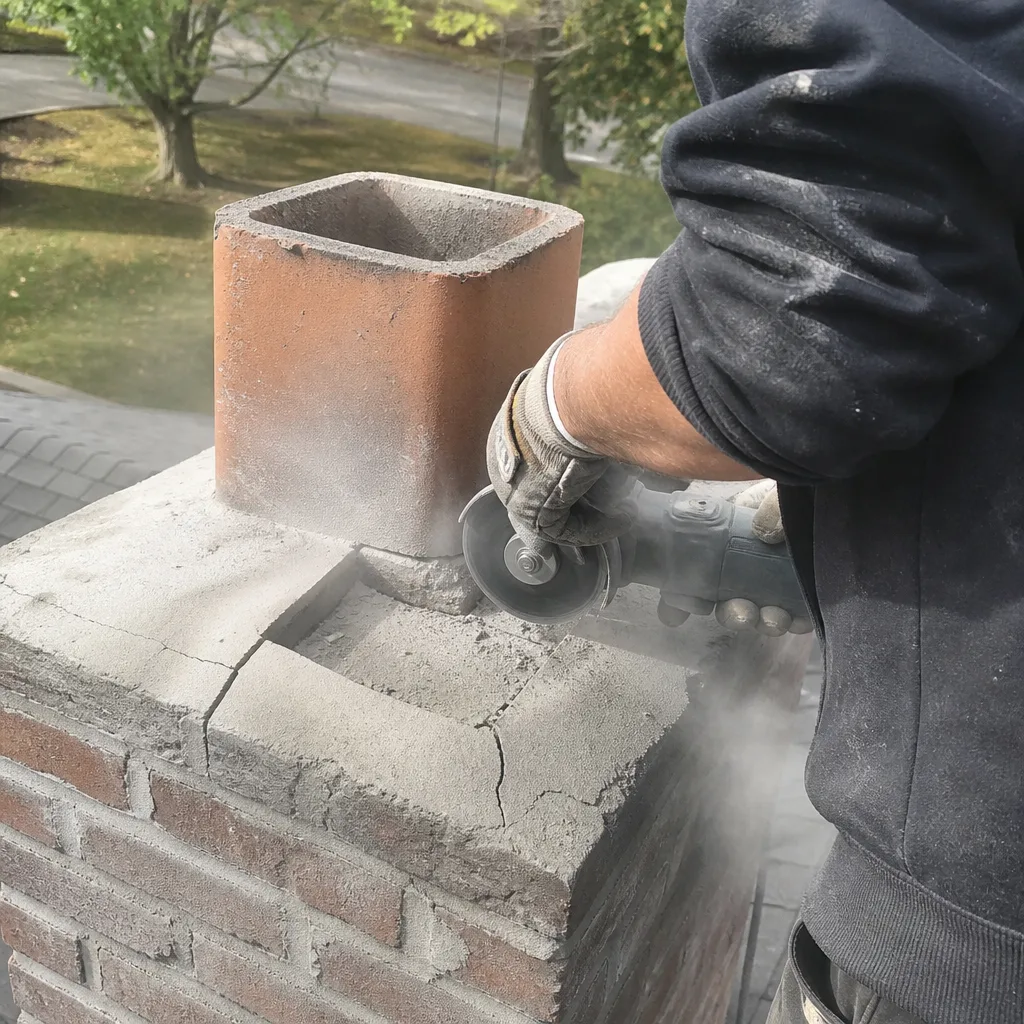
- Crown integrity: Look for spalling (surface flaking), alligator cracking (interconnected surface cracks resembling reptile skin), and washout erosion at the crown’s edge. The crown is the chimney’s umbrella. If it’s compromised, everything below is getting wet.
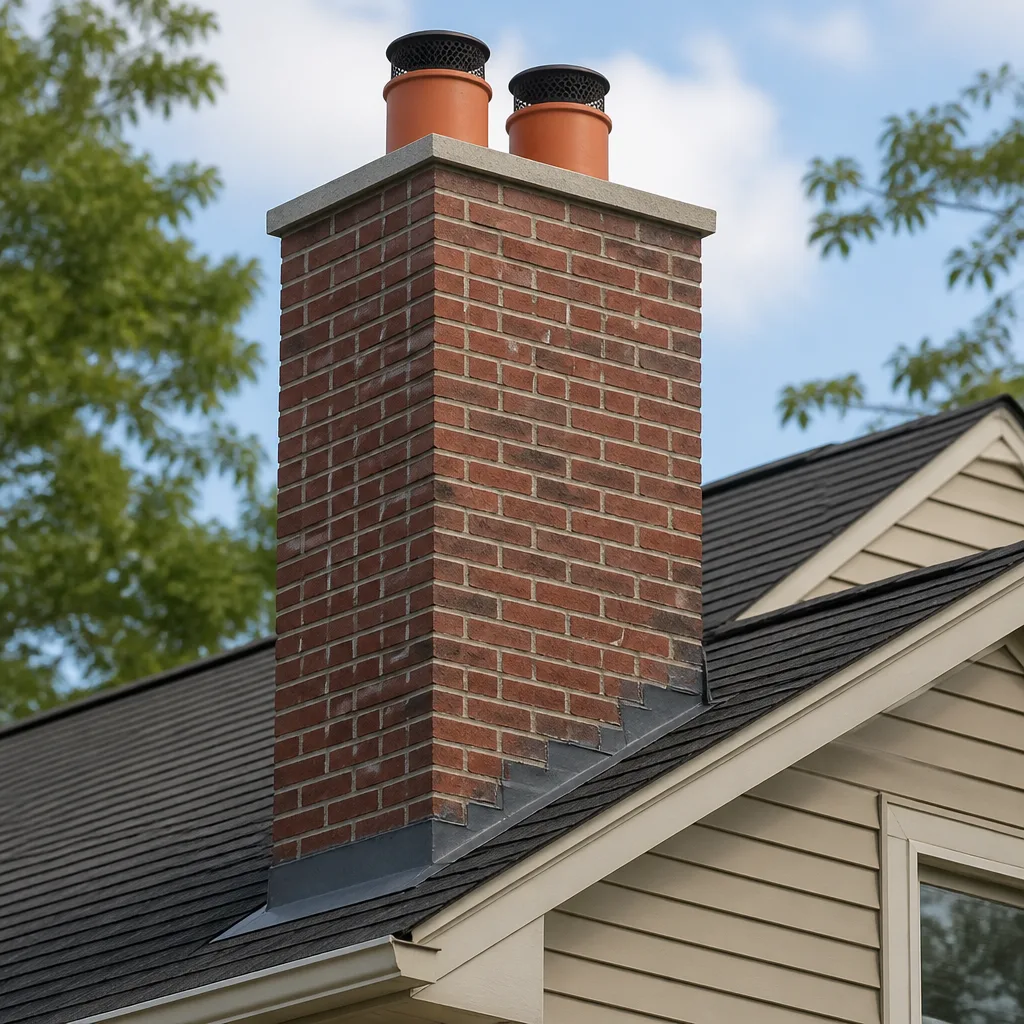
- Flashing seal: The metal junction where chimney meets roof. Winter ice damming in Chester County frequently lifts flashing tabs, creating gaps that don’t leak during cold months but gush during spring rains.
- Brick and mortar condition: Tap suspect areas with a key or coin. Hollow-sounding brick indicates delamination from internal freeze damage. Mortar that powders under light pressure has begun to fail.
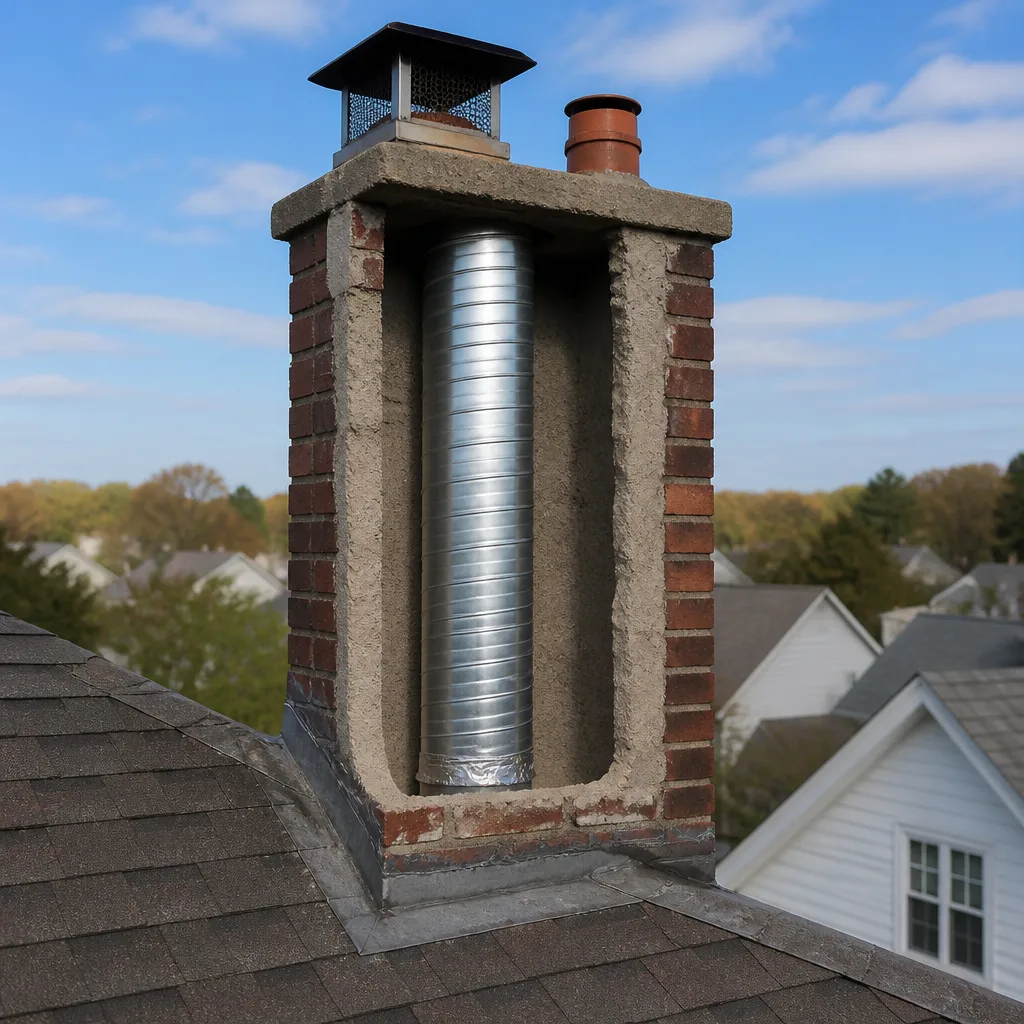
- Interior flue liner: A camera scan here is non-negotiable. Thermal shock from rapid temperature changes (cold flue, hot fire) can crack clay tile liners. Those cracks don’t heal, and they channel heat toward combustible framing.
- Smoke chamber and firebox: Check for shifted or deteriorated brick, and for creosote residue that indicates incomplete combustion during the heating season.
The specific crack types we see most often in West Chester after winter: vertical hairline fractures in the flue liner (thermal shock), stair-step cracks in exterior brick following mortar joints (settlement accelerated by freeze-thaw), and horizontal cracking in the crown (water saturation followed by expansion).
Documentation collected in spring becomes the baseline for comparison. We provide every homeowner with dated photos, camera footage, and a written condition report under Clause 4 of the Haven Standard. When you have March 2024 and March 2025 records side by side, progressive deterioration is obvious even to an untrained eye. Without that record, you’re relying on memory and hope.
Spring repair pricing in the West Chester market typically runs:
- Crown seal or minor repair: $350-$650
- Flashing repair or replacement: $450-$900
- Tuckpointing (repointing deteriorated mortar): $25-$45 per square foot of wall area
- Clay flue tile replacement (partial): $800-$1,800
- Stainless steel liner installation: $2,800-$5,500 depending on height and diameter
Every price is written before work starts, with scope and warranty documented, under Haven Standard Clause 1.
Summer (June-August): Moisture Mapping and Animal Defense
Summer is when West Chester chimneys dry out, and that’s exactly why it’s the right time to assess moisture damage. A wet chimney in June tells you something important: water is entering actively, not just from winter precipitation.
The summer inspection focuses on three problems that are invisible or inaccessible during burning season.
Animal intrusion. Raccoons, squirrels, and chimney swifts are active from May through August in Chester County. A missing or damaged cap is an open invitation. We remove nests, install proper screening, and document the flue condition after animal activity. Chimney swifts are federally protected; if they’re present, eviction must wait until fledging. A summer inspection identifies occupancy early, before you’re locked out of your own flue during prime repair season.
Moisture mapping. We use moisture meters on interior chimney breast walls, checking for elevated readings that indicate ongoing water intrusion. In West Chester’s humid summers, baseline exterior wood moisture runs 12-15%. Readings above 18% on interior surfaces indicate active leakage. We mark readings on a diagram that becomes part of your permanent record.
Crown and cap assessment in dry conditions. Repairs made in summer cure properly. Crown sealants and masonry waterproofing products need 24-48 hours of dry weather above 50°F. West Chester’s June and September typically provide that window; October often doesn’t.
Summer is also when to address deferred maintenance from spring findings. If the March inspection identified spalling brick or deteriorated mortar, summer is the repair window. Waiting until fall means competing with every other homeowner who suddenly remembers their chimney exists, and it risks incomplete cure before the first freeze.
Materials matter for summer repairs. We specify vapor-permeable waterproofing for exterior masonry, not film-forming sealers that trap moisture inside. Products from Copperfield and Famco in our Haven buying network are selected specifically for mid-Atlantic humidity cycles. A breathable treatment allows the chimney to dry after rain while repelling liquid water. The wrong product does the opposite.
Homeowner tasks for summer:
- Visually inspect the cap from ground level with binoculars. Look for rust, gaps, or missing screening.
- Check the chimney breast interior walls for discoloration, bubbling paint, or musty odor after heavy rain.
- Trim tree branches to 10 feet from the chimney to reduce debris and animal access.
- Verify that gutters and downspouts direct water away from the chimney base.
Fall (September-October): The Creosote Baseline Sweep
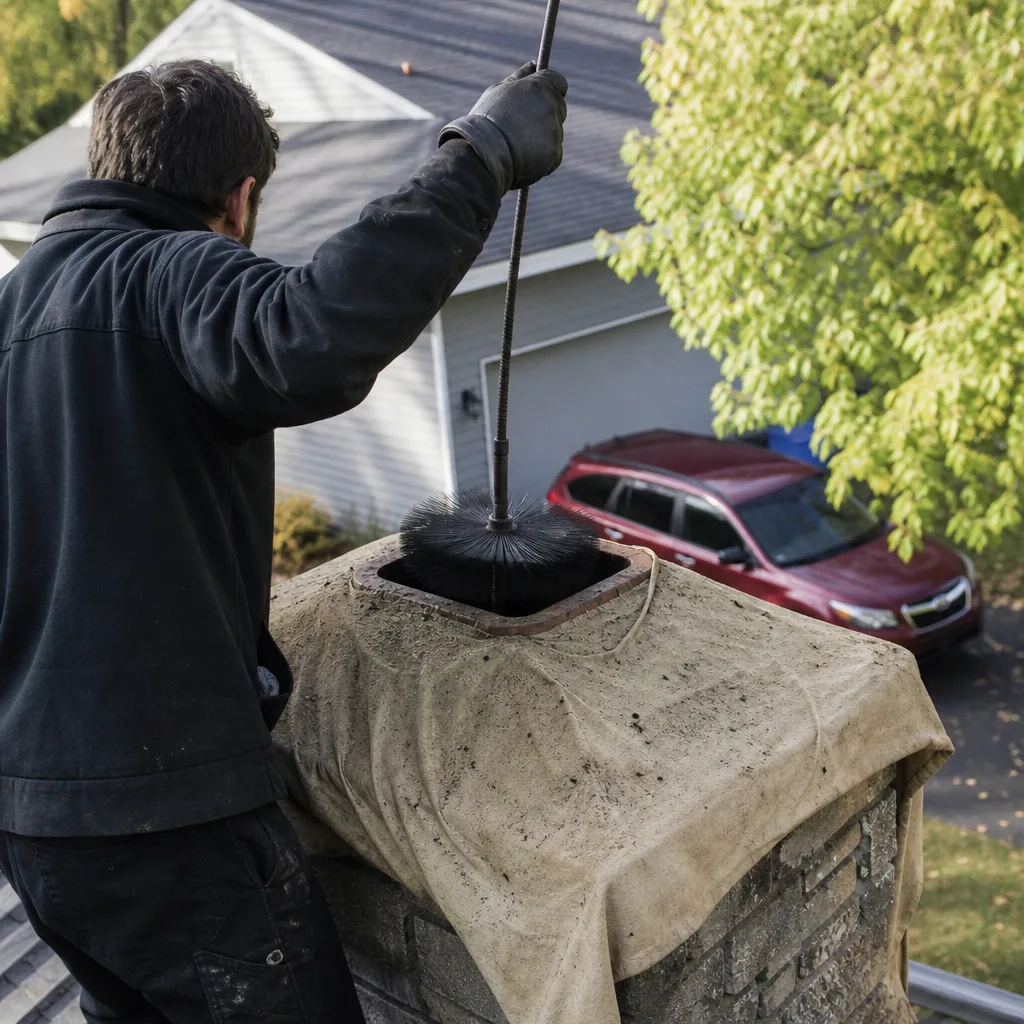
This is the inspection everyone knows about, and it’s genuinely critical. But its purpose is often misunderstood. The fall sweep isn’t primarily about removing a year’s worth of buildup. It’s about establishing a clean baseline before the burning season, so that any new deposits can be accurately assessed for rate of accumulation and combustion quality.
Here’s how we approach fall service in West Chester:
- NFPA 211 Level 2 inspection with camera scan. This is our default, not an upgrade. The camera travels the full flue length, documenting liner condition, joint alignment, and any obstructions. Clause 4 of the Haven Standard requires this photo record on every job.
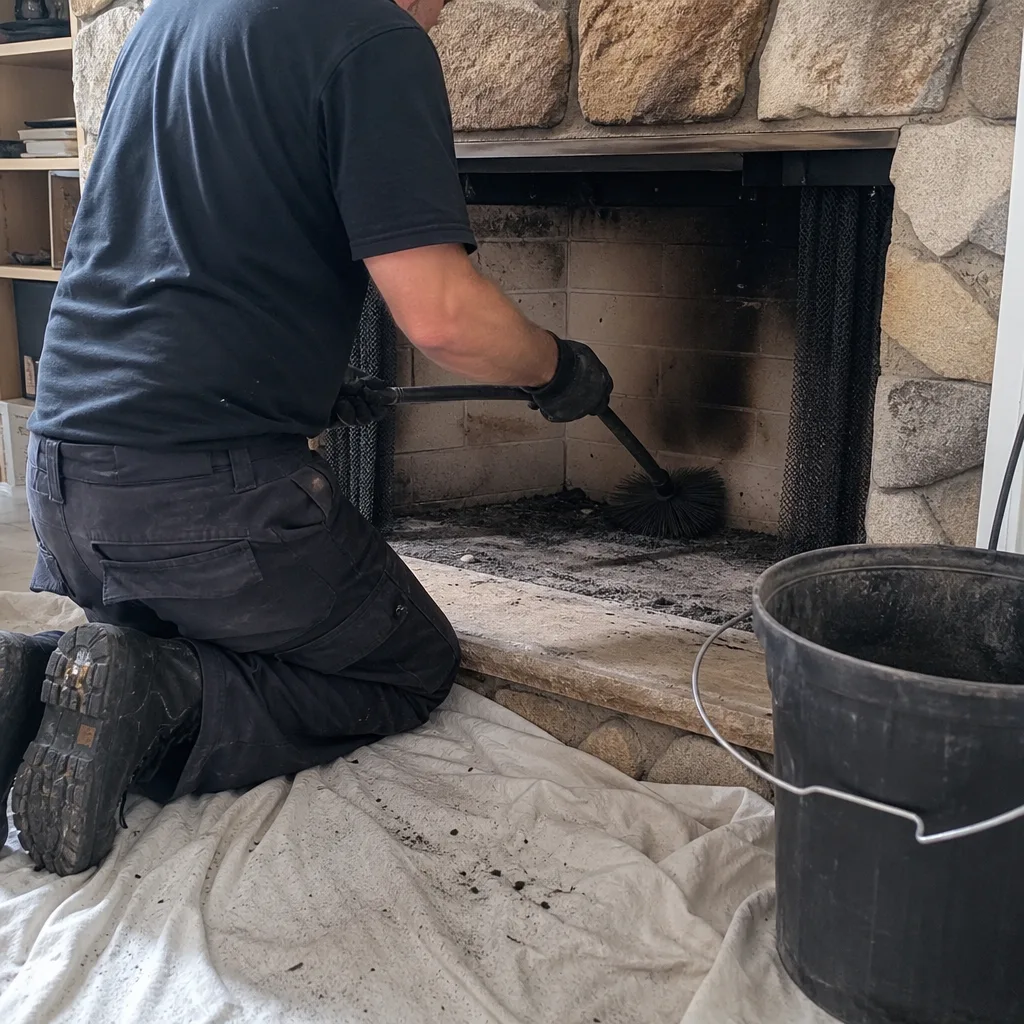
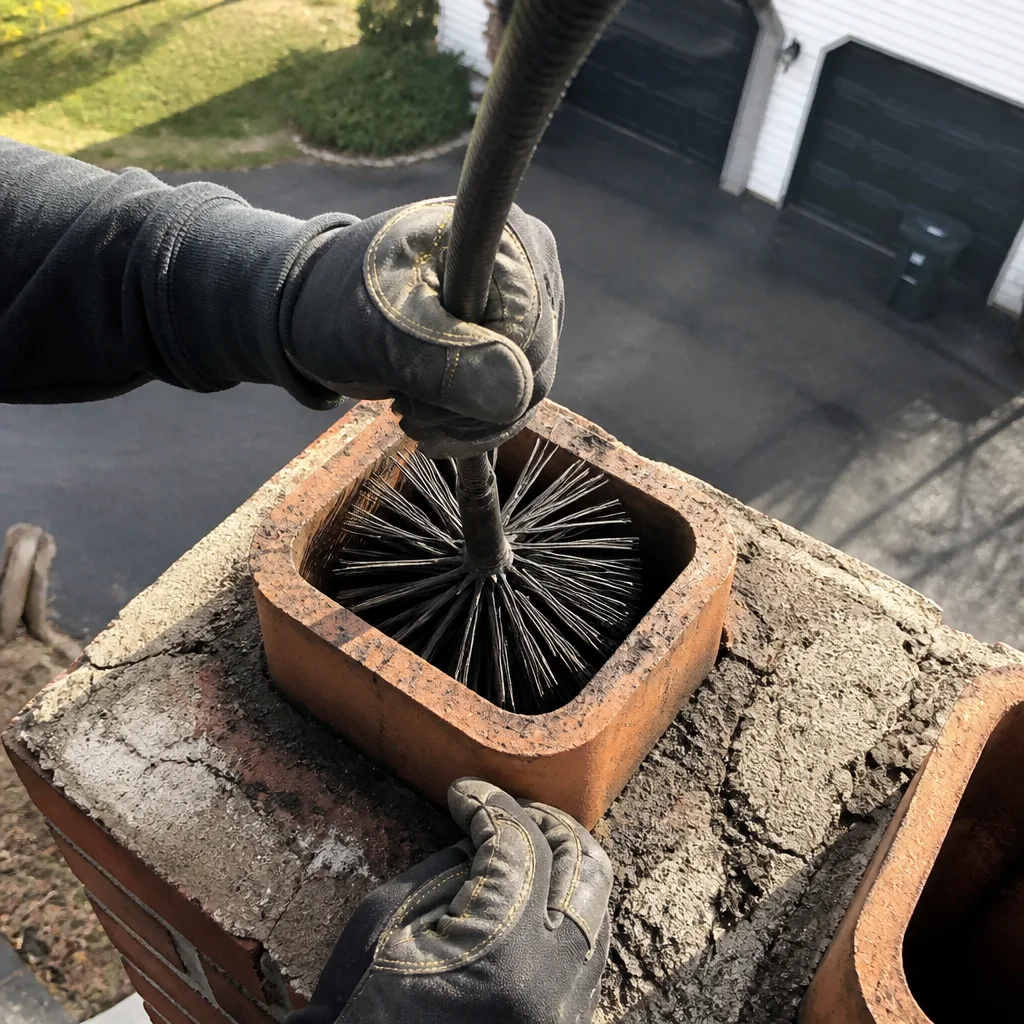
- Mechanical sweeping of the flue. We use rotary power sweeping with polypropylene brushes sized to the flue diameter. This removes creosote without damaging clay tile or stainless steel liners. The debris is collected and weighed; unusual volume indicates burning practice issues.
- Smoke chamber and firebox cleaning. Often neglected by basic sweep services. The smoke chamber (the area above the damper, below the flue) accumulates highly combustible deposits in a confined space.
- Combustion analysis if indicated. For wood-burning systems, we note moisture content of fuel supply, damper operation, and air intake function. For gas systems, we check burner alignment and venting.
- Written condition report with photo documentation. Delivered before we leave, with any recommended repairs priced in writing.
Creosote progression matters for West Chester homeowners specifically because of our heating season length. Typical Chester County usage - three to five fires weekly from November through mid-March - produces Stage 1 (powdery, soot-like) and early Stage 2 (crunchy, flake-like) creosote. That’s normal and manageable with annual sweeping.
Problems arise with:
- Smoldering fires or overnight burning, which produce Stage 2 rapidly
- Unseasoned wood (moisture above 20%), which wastes heat energy in evaporation and deposits heavy, tar-rich creosote
- Restricted air supply, common in older West Chester homes with original fireplaces designed for open burning but fitted with modern glass doors
Stage 3 glazed creosote - shiny, hardened, nearly impossible to remove mechanically - is a fire hazard and indicates a combustion problem that needs correction, not just more frequent sweeping. We’ve removed Stage 3 deposits from chimneys that were “swept” annually by services that never ran a camera. The flue looked clean from below. It wasn’t.
Fall pricing for sweep and Level 2 inspection in West Chester:
- Standard sweep with Level 2 inspection and photo record: $275-$395
- Heavier deposits requiring additional mechanical or chemical treatment: add $150-$300
- Stage 3 glazed creosote removal: $600-$1,200 depending on flue length and diameter
Chimney Cleaning & Sweep in West Chester covers our complete sweep process in detail.
Winter (November-Mid-March): Usage Monitoring and Mid-Season Triggers
Winter is not a maintenance-free period. It’s when the system operates under stress, and when usage patterns determine whether a single annual sweep is sufficient.
The standard annual sweep assumes moderate use: occasional weekend fires, supplemental heating, ambiance. Many West Chester homeowners exceed that baseline without realizing it. A gas fireplace running four hours daily, or a wood stove heating a finished basement, accumulates combustion byproducts at rates that outpace annual maintenance.
Mid-season cleaning indicators:
- Wood-burning systems: More than four fires weekly, or any extended burning (all-day or overnight). Creosote accumulation accelerates non-linearly; a chimney that was clean in October can reach hazardous deposits by January under heavy use.
- Gas systems: White or gray residue on glass doors, soot streaks on exterior venting, or persistent condensation on interior surfaces. These indicate incomplete combustion or venting problems.
- Any system: Visible smoke spillage into the room on startup, unusual odors during operation, or difficulty establishing draft. These are operational warnings, not quirks.
West Chester’s winter weather creates specific draft challenges. Cold, dense air settles in an unused flue. The first fire of the day must overcome that air column, which can push smoke into the living space until the flue warms. This is normal in principle but dangerous if the chimney is partially obstructed or the fire is built too large too quickly.
Our recommendation: start with a small, hot kindling fire, allow the flue to warm for 10-15 minutes, then add fuel. Never use accelerants. If smoke spillage persists beyond the first few minutes, stop using the system and schedule inspection.
Carbon monoxide risk peaks in winter. Every home with any fuel-burning appliance should have CO detectors on every sleeping level, tested monthly, replaced per manufacturer schedule (typically 5-7 years). We check CO detector placement and expiration during every inspection, but we don’t wait for our visit to raise the issue.
The 365-Day Done Right Promise applies to winter work too. If a repair we performed fails during the heating season, we return and make it right. No charge for our labor, no argument about whether the failure was “our fault.” The promise is stamped on every job.
Homeowner Checklist: Seasonal Tasks That Don’t Void Warranties
Professional chimney work carries warranties that can be voided by DIY repairs. But there are legitimate homeowner tasks that support professional maintenance without creating liability conflicts.
Spring (March-April):
- Ground-level visual inspection of crown, cap, and visible brick. Note changes from prior year.
- Gutter cleaning to prevent water overflow onto chimney structure.
- Interior wall check for new stains or paint damage after final winter rains.
Summer (June-August):
- Cap inspection with binoculars. Look for rust, gaps, animal activity.
- Tree and vegetation trimming to maintain 10-foot clearance.
- Test damper operation: open fully, close fully, note any sticking or noise.
Fall (September-October):
- Firewood preparation: split, stack, cover, test moisture content with a meter (target below 20%).
- Detector testing: smoke and CO detectors, fresh batteries, check expiration dates.
- Remove any stored items from hearth area that accumulated during off-season.
Winter (November-Mid-March):
- Monitor burn quality: vigorous flame with minimal smoke from chimney top indicates good combustion.
- Ash removal: when ash bed exceeds 1 inch, remove cooled ashes to metal container with tight lid, store outside on non-combustible surface.
- Weekly visual check of exterior chimney top for ice buildup or storm damage visible from ground.
What homeowners should NOT do: attempt crown sealing with hardware store products (wrong chemistry for chimney temperatures), operate on the roof without proper fall protection, or disassemble gas burner assemblies. These tasks belong to trained technicians with appropriate equipment and insurance.
Chimney Repair in West Chester covers the professional repair services that complement homeowner maintenance.
Building Your Multi-Year Maintenance Record
The most valuable document in chimney ownership isn’t the warranty. It’s the year-over-year comparison of condition.
Every professional inspection produces data: liner crack measurements, crown deterioration percentages, moisture meter readings, creosote weight and classification, photo documentation. Most homeowners file the invoice and forget the details. The homeowners who avoid catastrophic repair costs treat this data as a trend line.
Here’s how to build that record:
- Request and retain the full inspection package. At Level Two Chimney West Chester, this includes written condition report, photo record, camera footage (digital delivery), and written scope with pricing for any recommended work. Clause 4 of the Haven Standard requires this documentation; not every company provides it comprehensively.
- Create a simple comparison spreadsheet. Columns for date, inspector, liner condition rating, crown condition, moisture readings, creosote stage, and any repair performed. Update after each visit.
- Note environmental context. Record the winter’s severity (heating degree days, available from NOAA), any severe weather events, and changes in burning habits. This explains variations that might otherwise seem alarming.
- Schedule consistent timing. A March inspection every year, not “sometime in spring,” produces comparable data. Freeze-thaw damage assessed in March 2024 and March 2025 is directly comparable. The same inspection in May misses the peak damage window and mixes in spring rain effects.
- Use the record to predict, not just react. A crown showing 15% surface deterioration in year one, 35% in year two, and 60% in year three is on a predictable path to failure. Repair in year two or early year three is preventive. Waiting for visible interior water damage is reactive, and typically three to five times more expensive.
We’ve used this record-keeping approach with West Chester homeowners since 2009. The ones who maintain it consistently almost never call with emergency water damage or liner failure. They see the trend and act before the threshold. The ones who don’t maintain records call us in February with water pouring through the ceiling, and we document the damage that was preventable six months prior.
Insurance implications matter too. Some carriers now request documentation of chimney maintenance for wood-burning appliance coverage. A multi-year record of professional inspection with photo documentation satisfies that requirement cleanly. A stack of undifferentiated invoices does not.
Common Mistakes to Avoid
- Scheduling only fall sweeps and ignoring spring inspections. In West Chester’s climate, the most expensive damage develops during winter and is discoverable in March. Waiting until October means nine months of progressive deterioration.
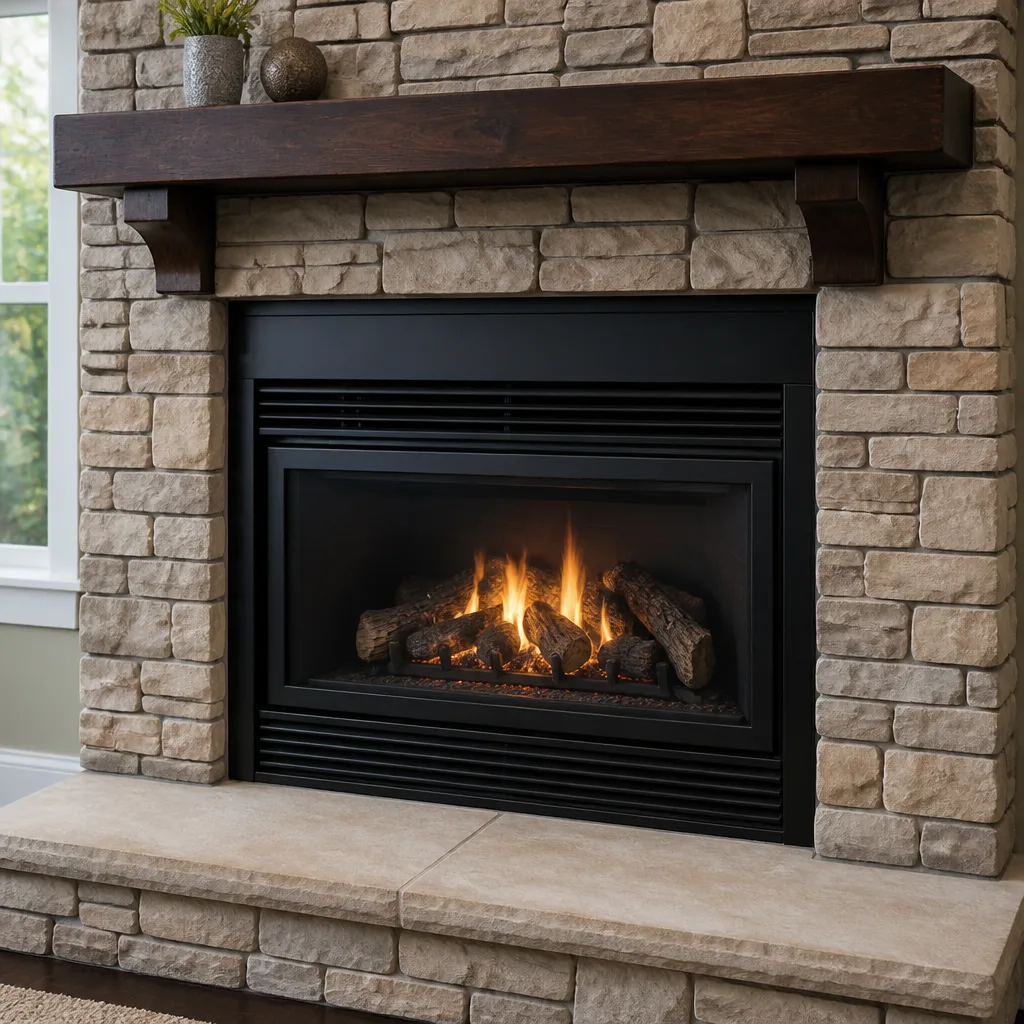
- Assuming gas fireplaces need no maintenance. Gas systems produce corrosive condensation, deteriorate ceramic logs, and accumulate debris that obstructs venting. Annual inspection applies to all fuel types.
- Using the cheapest sweep available without verifying inspection scope. A $99 “sweep special” that doesn’t include camera inspection or written documentation leaves you with a clean flue and undiscovered liner cracks. The savings are illusory.
- Burning unseasoned wood because it’s available. Fresh-cut oak in Chester County needs 18-24 months to dry below 20% moisture. Burning it at 35% moisture wastes half the heat energy in evaporation and deposits heavy, hazardous creosote.
- Ignoring carbon monoxide detectors or treating them as install-and-forget. CO detectors have expiration dates, usually printed on the back. An expired detector is a decoration, not protection.
- Attempting DIY repairs on components that affect system safety. Crown sealing, liner work, and gas burner service require specific materials, tools, and training. Incorrect repair often accelerates damage and voids professional warranties.
- Waiting for visible interior damage before acting on exterior warning signs. By the time water stains appear inside, the structural damage behind the wall is extensive. Exterior spalling, crown cracks, and flashing gaps are early warnings, not cosmetic issues.
When to Call a Professional
Call for immediate inspection if you observe smoke spillage into the room during normal operation, detect unusual odors (especially acrid or chemical smells from gas systems), see visible cracks in the flue liner on any inspection, or notice new water stains on walls or ceilings near the chimney. These are not maintenance-deferrable conditions.
Schedule proactive service for annual sweep and inspection, post-winter structural assessment, pre-sale home inspection preparation, or any change in appliance type or fuel. Level Two Chimney West Chester offers free estimates in West Chester - call (610) 321-4570. Every estimate includes written scope, written price, and written warranty before any work begins, under Haven Standard Clause 1. We also provide free second opinions on any competitor’s written estimate.
Fireplace Services in West Chester details our complete service range for all hearth types.
Frequently Asked Questions
A standard chimney sweep with NFPA 211 Level 2 inspection and documented photo record typically costs $275-$395 in the West Chester market. Heavier deposits or glazed creosote removal runs $600-$1,200 depending on flue length and access. We provide a written price before any work starts, with no call-for-quote requirement. Call (610) 321-4570 for an exact quote - estimates are free.
You need a new liner when the existing one is cracked, deteriorated, or improperly sized for the appliance it serves, and only a camera inspection can determine this with certainty. We never recommend liner replacement without photo evidence you can see for yourself, and we plainly state when damage is monitorable rather than immediately hazardous. If another company has recommended liner replacement, bring us their written estimate for a free second opinion.
At minimum, once annually for moderate use (occasional fires, supplemental heating). For heavy use - more than four fires weekly or primary heating dependence - plan a mid-season inspection in January or February. The NFPA 211 standard states that chimneys should be inspected annually and cleaned as needed; the “as needed” determination requires looking, not assuming.
Accumulated creosote ignites at approximately 451°F, well within normal flue temperatures, causing chimney fires that can exceed 2,000°F and crack liners or ignite adjacent framing. Separately, cracked liners and deteriorated masonry channel carbon monoxide and moisture into wall cavities. The risks are specific, serious, and preventable with documented annual inspection. Call (610) 321-4570 to schedule before the burning season.
West Chester’s 20+ annual freeze-thaw cycles between November and March create masonry damage that isn’t visible in fall. Spring inspection catches crown cracks, spalling brick, and liner damage that developed during winter, allowing repair during favorable curing weather. Areas with milder winters have less freeze-thaw damage and can rely more heavily on single annual inspection.
It depends entirely on which cracks, where, and what fuel you burn. Hairline exterior mortar cracks are typically monitorable. Any crack in the flue liner, any crack that admits light or water, or any crack wider than 1/8 inch in structural masonry requires professional evaluation before use. We assess this with camera inspection and provide a clear use/no-use recommendation with documentation. Never guess when the consequence of wrong guessing includes fire or CO poisoning.
The Bottom Line
Seasonal chimney care in West Chester follows the climate, not the calendar. Post-winter inspection catches freeze-thaw damage when it’s repairable. Summer maintenance addresses moisture and intrusion before the next heating season. Fall sweep establishes a clean baseline for safe ignition. Winter monitoring prevents heavy-use systems from outrunning annual maintenance. The homeowners who avoid emergency repairs are those who document condition year-over-year and act on trends before they become failures. A written price before work, a photo record after, and a clear warranty - that’s the standard we’ve operated under since 2009, and it’s available to every homeowner who calls.
Level Two Chimney West Chester home
Written by Corrine Halstead, Owner at Level Two Chimney West Chester, serving West Chester since 2009.